What Is the $1000 a Month Rule for Retirees?

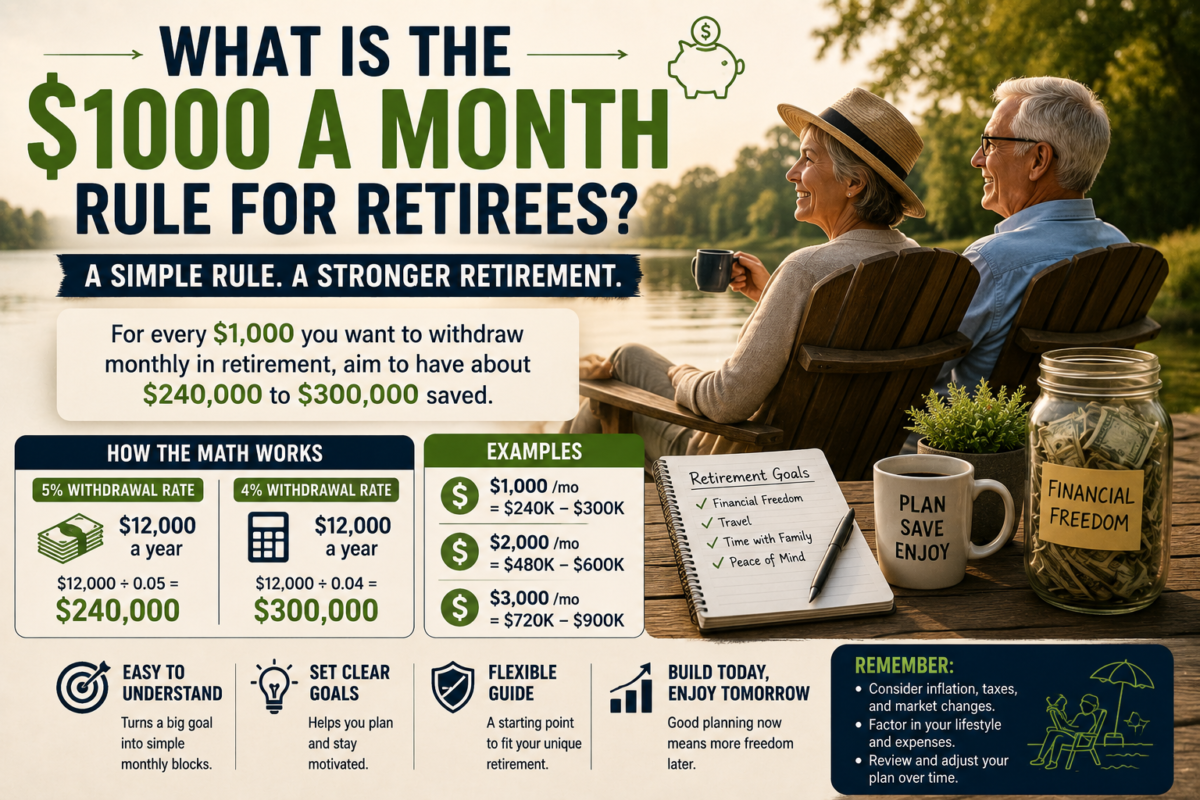
The $1000 a month rule for retirees is a simple way to estimate how much money you may need saved to create steady retirement income. In plain terms, it says that for every $1,000 you want to withdraw each month in retirement, you should aim to have about $240,000 to $300,000 saved, depending on the withdrawal rate used.

Understanding the Rule

This rule is popular because it turns a big retirement goal into a smaller, easier-to-grasp number. Instead of wondering how much money you need for the rest of your life, you can think in monthly income blocks of $1,000.

The idea comes from withdrawal-rate thinking, especially the 4% and 5% rules. A 5% withdrawal rate suggests about $240,000 can produce roughly $1,000 a month, while a more cautious estimate closer to 4% pushes that figure higher, toward $300,000.

In other words, the rule is not about spending exactly $1,000 a month on groceries or bills. It is about building enough retirement savings to generate that amount of income every month.

How The Math Works

The math behind the rule is very straightforward. If you want $1,000 a month, that equals $12,000 a year, and that yearly amount is then matched against a safe withdrawal estimate from your savings.

Using a 5% withdrawal rate, you would divide $12,000 by 0.05, which gives about $240,000. Using a more conservative approach closer to 4%, the number rises because your savings must last longer.

Here are a few simple examples:

  • $1,000 a month = about $240,000 to $300,000 saved.
  • $2,000 a month = about $480,000 to $600,000 saved.
  • $3,000 a month = about $720,000 to $900,000 saved.

This makes the rule useful for quick planning, especially if you want to estimate your retirement target without opening a giant spreadsheet right away.

Why Retirees Use It

Retirees and pre-retirees like this rule because it is easy to remember. It gives a fast answer to a common question: “How much do I need saved to produce the income I want?”.

It also helps people break retirement planning into clear steps. If you know you need $3,000 a month, you can work backward and estimate your savings target instead of guessing.

Another benefit is motivation. A large retirement number can feel scary, but monthly income goals feel more manageable and practical. For many people, thinking in chunks of $1,000 makes the process feel less overwhelming.

What It Does Not Tell You

Even though the rule is helpful, it is still only a rule of thumb. It does not fully account for inflation, market ups and downs, taxes, or how long retirement will last.

It also assumes your retirement money is invested in a way that can support regular withdrawals. If your portfolio is too conservative, too aggressive, or too small, the rule may not fit your real situation.

Your personal spending matters too. A retiree with paid-off housing and low medical costs may need less than someone who is still paying rent, helping family, or traveling often. So the rule should guide your planning, not replace it.

How To Use It

Start by estimating how much monthly income you want in retirement. Then compare that amount with expected income from Social Security, pensions, or other sources.

For example, if you want $3,000 a month but expect $1,500 from Social Security, then your savings only need to cover the other $1,500. That means the $1000 a month rule can help you estimate the savings needed for the remaining income gap.

A simple way to use the rule is this:

  1. Decide your monthly retirement income goal.
  2. Subtract guaranteed income sources.
  3. Multiply the remaining monthly amount by the rule’s savings estimate.
  4. Review the result as your lifestyle, health, and costs change.

This keeps the math simple while still giving you a practical starting point.

Is It Enough For Retirement

The honest answer is: sometimes, but not always. For some retirees, the rule gives a good starting estimate and feels close to reality.

For others, it can be too simple. Retirement is shaped by living costs, healthcare, travel, debt, family support, and how long your money needs to last. Because of that, two people who both want $1,000 a month may need very different savings plans.

That is why many financial sources treat it as a planning shortcut, not a final answer. It works best when combined with a broader retirement budget and a realistic look at your actual expenses.

A Simple Takeaway

The $1000 a month rule for retirees is a quick planning method that estimates how much savings you need for every $1,000 of monthly retirement income. In most versions, the rule suggests around $240,000 to $300,000 for each $1,000 a month you want to draw in retirement.

It is easy to understand, easy to apply, and useful for setting rough retirement goals. Still, it should be treated as a starting point, not the final word on your retirement needs.

Where Is the Cheapest Place to Live in Florida? Your Budget-Friendly Guide to the Sunshine State

Are you dreaming of Florida’s blue skies, palm trees, and year-round warmth—but worried about the cost? The good news is, you can enjoy everything Florida offers without draining your bank account. You just have to know where to look! Let’s dive into the top cheap places to live in Florida and help you find the sunny, affordable life you deserve.


Why Florida Living Doesn’t Have to Be Expensive

When you think of Florida, you might picture luxury waterfront mansions in places like Miami Beach or Naples. But affordable living is alive and well across the state. Move beyond tourist hotspots and you’ll discover cities and towns where your dollar stretches further, rent is manageable, and even buying a home can be within reach.

Whether you’re a family searching for a safe and affordable city, a retiree ready for sunshine on a budget, or a remote worker craving a laid-back lifestyle, Florida has somewhere for you. The cost of living in Florida varies wildly depending on location. Big metro areas like Miami and Fort Lauderdale tend to cost far more than northern, central, and some inland cities.

So where should you focus your search? Let’s break it down.


Top 10 Cheapest Places to Live in Florida

Here’s a table with current data on the most affordable Florida cities:

CityMedian Home PriceMedian RentCost of Living (vs. National Avg)Why It’s Affordable
Lake City$257,570$1,40014% below avgSmall town charm, low housing, easy commutes
Ocala$275,429$1,7508% below avgHorse country, scenic parks, relaxed pace
Pensacola$262,185$1,80013% below avgCoastal charm, cheaper transport
Daytona Beach$259,120$1,5892% below avgBeach city fun without high prices
Gainesville$250,000–$298,729$1,100–$1,5506% below avgLively college town, great jobs
Titusville$240,000$1,150—Space Coast, rocket launches, quirky fun
Winter Haven$235,000$1,200—Family-friendly, affordable attractions
Sebring$200,000$1,000—Retiree oasis, lakes and laid-back life
Bartow$210,000$1,050—Small town, community spirit, very low taxes
Deltona$245,000$1,200Lower than OrlandoEasy access to Orlando, low grocery and utility costs

Now, let’s shine a spotlight on some of these affordable cities.


Ocala

Ever wanted to live where life is both relaxing and exciting? You can have the best of both in Ocala. This isn’t just horse country—it’s budget-friendly country too. You get rolling hills, lush parks like Tuscawilla and Jervey Gantt, plus a thriving equestrian scene. The cost of living here is 8% below the national average, and the median home price is under $280,000.

Ocala’s downtown gives you great local dining, arts, and a true sense of community. If you’re into hiking, biking, or exploring springs, Ocala National Forest is right next door. Enjoy real Florida nature, fresh air, and affordability. Whether you’re looking to settle down, raise a family, or even retire, you’ll find your wallet (and your spirit) a little lighter here.

Gainesville

Looking for a vibrant college town that won’t break the bank? Gainesville is your place. As the home of the University of Florida (Go Gators!), you’ll find a youthful energy, top-tier hospitals, and plenty of job opportunities. Average rent for a one-bedroom hovers around $1,100, and the median home price is often well below $300,000.

You don’t have to be a student to enjoy the amenities: museums, theaters, and beautiful parks abound. Gainesville is perfect if you love art, culture, and the outdoors. And you’ll find commuting easy, groceries reasonable, and public transport quite good—even if you’d rather bike everywhere.

Sebring and Bartow

Want the slow life in a small, welcoming town? Sebring and Bartow are calling your name. These towns offer some of the very lowest median home prices in all of Florida—often hovering right around $200,000 or less.

Sebring sits in the center of the state. The area has beautiful lakes, parks, golf courses, and a relaxed vibe. There’s a friendly retiree community, but young families are arriving too. Groceries, utilities, and everyday costs are lower than in bigger cities, so you’ll live well even on a tight budget.

Meanwhile, Bartow charms you with quiet neighborhoods, historic streets, and serious savings. Low home prices, low taxes, and almost zero traffic help your paycheck go further. Imagine walking your dog down leafy sidewalks or meeting neighbors at the local café; in Bartow, this slow-paced life feels just right.

Pensacola

Let’s talk about living by the sea. Pensacola wins big for affordability on Florida’s panhandle. Think white-sand beaches, sparkling water, and a local vibe that’s more flip-flops than Ferraris. Home prices and rent are both far below the national average, with a cost of living ranked 13% lower.

You get notable military connections (hello, Naval Air Station!), historic downtown streets, and a genuine sense of community. Food, entertainment, and transport are budget-friendly. Who says you can’t live your beach life dreams and still save money?

Lake City

Lake City should be on your radar if you’re craving beautiful nature, stress-free commutes, and a super affordable cost of living. Median home prices stay around $257,000, and the cost of living is an impressive 14% below the national average.

The town sits right at the crossroads of Florida’s major highways, so getting around is a breeze. You’ll enjoy peaceful surroundings, smaller crowds, and a close-knit community vibe. Outdoor lovers appreciate the easy access to rivers, lakes, and state parks.

Daytona Beach

Dreamed of living close to the waves? Daytona Beach is your answer. Here, you skip the sky-high luxury costs but keep the fun. With a median home price just under $260,000 and rent around $1,600, you can afford to live near the ocean and still have plenty left for beach treats.

It’s a great choice for families, retirees, and singles alike. Enjoy festivals, cultural events, and, yes, the thrill of Daytona’s motorsports—all in a place known for friendly neighbors and sunshine.

Titusville and Winter Haven

Want something a bit different? Check out Titusville, where you can literally watch rocket launches from your backyard. With home prices around $240,000 and rents just above $1,100, it’s one of the cheapest ways to enjoy a slice of the legendary Space Coast.

Winter Haven, meanwhile, is perfect for families who want affordable housing, good schools, and easy access to local attractions like LEGOLAND. Homes here cost about $235,000 on average—well below the Florida state average. Groceries and utilities are cheaper too, and your kids are going to love those theme park weekends.


What Makes These Cities So Affordable?

  • Lower home prices: Small towns and “non-touristy” cities have much cheaper homes than coastal metros like Miami or Tampa.
  • Lower cost of living: Food, utilities, transportation, and healthcare are often 5–15% less than the state average in these areas.
  • Community focus: You’ll find less traffic, simple everyday life, and communities that support local businesses.
  • Proximity to nature: Parks, rivers, and forests are everywhere, offering free or cheap recreation instead of expensive nightlife.

FAQs: Living Cheap in Florida

How cheap is “cheap” in Florida?

You’ll find homes for under $200,000 in the very cheapest towns. Cities like Ocala, Gainesville, and Lake City offer homes between $200,000 and $300,000, with rents often $1,000 to $1,600 per month. Groceries, utilities, and healthcare also come out cheaper than Florida’s average if you choose these spots.

Are these places safe and family-friendly?

Most affordable Florida cities have good reputations for safety, community spirit, and schools—especially compared to larger cities. It’s always smart to check recent stats and visit neighborhoods before you commit.

Is it easy to find a job in cheaper Florida cities?

It depends! You’ll have lots of opportunities in healthcare, education, construction, and tourism. Remote work is a great option too, with high-speed internet available almost everywhere.


CityMedian Home PriceMedian RentVibe
Lake City$257,570$1,400Chill, outdoorsy, tight-knit
Ocala$275,429$1,750Equestrian, natural, peaceful
Sebring$200,000$1,000Slow, lakeside, retiree friendly
Bartow$210,000$1,050Small-town, historic, budget
Miami Beach$500,000+$2,500+Luxurious, busy, expensive
Orlando$400,000+$1,900Tourist, urban, pricier

Tips for Moving to an Affordable Florida City

  • Visit in person: Before you leap, spend a few days exploring neighborhoods, parks, and local businesses.
  • Check for hidden costs: Insurance, flood zones, and property taxes can vary wildly—always ask for quotes in advance.
  • Talk to locals: Grab coffee with residents or check local Facebook groups for real, uncensored advice.
  • Have fun saving: Smaller Florida cities are full of surprises—festivals, food trucks, beautiful trails, and sunny days.
  • When moving to a new place, don’t forget about home security. A trusted locksmith can help you rekey locks, install deadbolts, and give you peace of mind in your new home.

Live the Sunshine Dream Without Breaking the Bank

Your big Florida move doesn’t have to come with big city prices. Places like Lake City, Ocala, Gainesville, Sebring, and Bartow prove you can live a sunny, happy life without the sky-high costs. With home prices still under the national average, relaxed communities, and miles of natural beauty, you’ll find yourself asking: Why didn’t I move here sooner?

Now, it’s your turn. Pack your bags, bring your dreams, and join all the others who’ve discovered the cheapest places to live in Florida. Sunshine (and savings) are waiting for you!

All home prices and rents are based on 2025 data and are subject to change. Always research neighborhoods, check current listings, and visit in person to get the latest scoop before making your move.

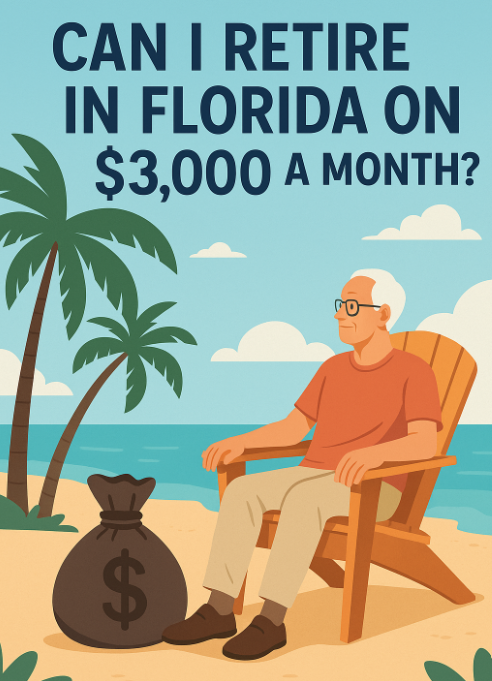
Can I Retire in Florida on $3,000 a Month?

Dreaming of retiring in Florida on a $3,000 monthly budget? You’re not alone. The Sunshine State’s beaches, warm weather, and tax-friendly policies attract retirees from all over. But can you truly enjoy retirement in Florida with $3,000 a month? Let’s break down the facts, explore your options, and help you decide if this budget can deliver your dream retirement.


Florida’s Cost of Living: The Big Picture

Florida’s cost of living is slightly above the national average, but it varies widely from city to city. While some areas are expensive, there are plenty of places where retirees comfortably live on $3,000 a month or less. The absence of state income tax, estate tax, and inheritance tax also helps stretch your retirement dollars further.


What Does $3,000 a Month Cover?

A $3,000 monthly budget gives you $36,000 per year to spend. Here’s what you’ll need to cover:

  • Housing (rent or mortgage, property taxes, insurance)
  • Utilities (electricity, water, internet)
  • Groceries and household supplies
  • Healthcare and insurance premiums
  • Transportation (car, gas, insurance, or public transit)
  • Entertainment, dining out, and recreation
  • Miscellaneous expenses (clothing, personal care, emergencies)

The key to success is choosing the right location and managing your lifestyle expectations.


Best Florida Cities for Retiring on $3,000 a Month

Not all Florida cities are created equal when it comes to affordability. Some regions offer a much lower cost of living, making your $3,000 monthly budget go further. Here are some top picks where retirees are living well on a modest income:

1. Panama City

  • Average Rent: $1,044
  • Median Home Price: $204,200
  • Why It Works: Panama City’s beautiful beaches and active retiree community make it a favorite. Excluding housing, average expenses for a family of four are about $2,500, so a retired couple can easily fit under $3,000 a month with careful budgeting.

2. Cocoa

  • Average Rent: $1,110
  • Median Home Price: $299,700
  • Why It Works: Cocoa offers a laid-back beach lifestyle with a cost of living around $3,100 per month for singles. The historic downtown and proximity to cruise ports add to the appeal.

3. Pensacola

  • Average Rent: $1,120
  • Median Home Price: $240,000
  • Why It Works: Pensacola’s white-sand beaches and vibrant local events make it a fun and affordable spot. The average cost of living for a single retiree is $3,200, so couples can do even better with shared expenses.

4. Allentown

  • Average Rent: $1,100
  • Median Home Price: $210,200
  • Why It Works: This small panhandle community offers a quiet lifestyle at about $3,167 per month. If you crave peace and small-town charm, Allentown could be your spot.

More Affordable Cities

Other cities where you can potentially live on $3,000 a month include Deerfield Beach, Fort Myers, Coconut Creek, Boca Raton, and more. The key is to look for places with reasonable rents, lower property taxes, and good access to healthcare and amenities.


Breaking Down the Monthly Budget

Let’s see how your $3,000 a month could be allocated in a typical affordable Florida city:

Expense CategoryEstimated Monthly Cost
Housing (Rent)$1,100
Utilities$200
Groceries$400
Healthcare$500
Transportation$200
Entertainment/Other$400
Total$2,800

This budget leaves a little wiggle room for unexpected costs, emergencies, or occasional splurges. If you own your home outright or share housing with family, you could save even more.


What Makes Florida Affordable for Retirees?

You get several financial advantages by retiring in Florida:

  • No state income tax: Your Social Security, pension, and retirement account withdrawals are not taxed by the state.
  • No estate or inheritance tax: You can pass on your assets without extra state taxes.
  • Lower healthcare costs: Florida’s large retiree population means more healthcare options and competitive pricing, especially in areas with many 55+ communities.
  • Active-adult communities: Many 55+ communities offer amenities, security, and social activities, often for less than you’d pay in a traditional neighborhood.

Tips to Make Your Budget Work

Living on $3,000 a month in Florida is possible if you plan carefully. Here’s how to make it work:

  • Choose your location wisely: Focus on smaller cities or inland areas where housing is more affordable.
  • Consider renting: Renting can be cheaper and less risky than buying, especially if you’re new to Florida.
  • Downsize: A smaller home or apartment means lower utility bills, less maintenance, and more money for fun.
  • Use senior discounts: Florida businesses cater to retirees, so take advantage of discounts on dining, entertainment, and travel.
  • Stay healthy: Good health helps you avoid costly medical bills. Florida’s climate is great for walking, swimming, and staying active.
  • Watch for hidden costs: Homeowners’ insurance, flood insurance, and HOA fees can add up. Routine tasks such as HVAC servicing or affordable garage door repair should be factored in when evaluating your monthly expenses. Always check these before committing to a property.

Is $3,000 a Month Enough for a Comfortable Retirement?

The average retired couple in Florida needs about $4,800 a month for a “comfortable and stress-free” lifestyle, according to recent reports. But “comfortable” means different things to different people. If you’re willing to live simply, avoid luxury neighborhoods, and keep a close eye on spending, $3,000 a month can provide a good quality of life in many Florida cities.

You may need to adjust your expectations-think more home-cooked meals, fewer big vacations, and a focus on free or low-cost local activities. But with Florida’s beaches, parks, and year-round sunshine, you’ll have plenty to enjoy.


Frequently Asked Questions

Can I buy a home in Florida on $3,000 a month?

Yes, if you choose a city with lower home prices and property taxes, and you don’t have a large mortgage or high HOA fees. Many retirees opt for condos or manufactured homes to keep costs down.

What about healthcare costs?

Florida offers a wide range of healthcare providers. Medicare covers many needs, but you’ll want to budget for supplemental insurance and out-of-pocket expenses-about $500 per month is a good estimate.

Is it better to rent or buy?

Renting offers flexibility and can be cheaper in some markets. Buying may make sense if you plan to stay long-term and find a good deal. Always compare total monthly costs, including taxes and insurance.

Are there hidden costs I should watch for?

Yes-insurance (especially flood and hurricane), HOA fees, and property taxes can vary widely. Always research these before choosing a home.


Your Florida Retirement on $3,000 a Month

You can retire in Florida on $3,000 a month if you pick the right city, manage your budget, and embrace a simpler lifestyle. Focus on affordable regions like Panama City, Pensacola, Cocoa, and Allentown, and you’ll find it’s possible to enjoy the sunshine, beaches, and vibrant retiree life Florida is famous for—especially in areas known for strong community security.

Remember, your retirement is what you make of it. With smart planning and realistic expectations, you can make your $3,000 a month stretch further and truly enjoy your golden years in the Sunshine State.

Can I live off 50k a year in Florida?

Florida’s sunny beaches and tax-friendly policies make it a popular choice, but living on $50k requires smart budgeting. Let’s break down housing, expenses, and lifestyle tips to help you thrive.

1. Housing Costs: Rent vs. Buy

Housing is Florida’s biggest expense. Here’s what you’ll face:

Renting

  • Average rent: $1,291/month for a one-bedroom (2024), rising to $1,350 in 2025.
  • Low-cost areas: Winter Haven, Gainesville, or Jacksonville offer rents closer to $950/month.
  • High-cost cities: Miami, Tampa, or Orlando average $1,600–$2,000/month.

Buying a Home

  • Median home price: $420,000 (2024), with modest price drops expected in 2025.
  • Mortgage payments: A $350k home with a 20% down payment and 6% interest could cost ~$1,800/month. Don’t forget additional costs like property taxes, insurance, and garage door maintenance or upgrades.

Key Takeaway: Renting in affordable cities or splitting costs with roommates is your best bet on $50k.

2. Monthly Expenses Beyond Housing

After housing, here’s how your remaining income might look:

ExpenseMonthly CostDetails
Utilities$250–$350Water, gas, electricity, and internet.
Groceries$250–$400Florida households spend slightly above the national average.
Transportation$50–$150Gas, insurance, or public transit (cheaper in walkable cities).
Healthcare$621/monthSilver plan premiums (7% higher in 2025).
Entertainment$200–$300Beach trips, dining, or streaming services.

Total estimated monthly expenses: $1,500–$2,000 (excluding housing).

3. Can You Afford $50k?

Let’s crunch the numbers:

  • Take-home pay: ~$3,570/month after taxes.
  • Housing: $950–$1,600/month.
  • Remaining income: $1,970–$2,620/month for utilities, groceries, and savings.

Yes, you can afford it if you:

  1. Choose low-cost housing (e.g., Winter Haven or Gainesville).
  2. Avoid debt (no car loans, credit cards, or student loans).
  3. Prioritize needs over wants (skip dining out, use public transit).

But watch out for:

  • Childcare costs: Daycare averages $1,000/month.
  • Unexpected expenses: Car repairs, medical bills, or hurricane prep can add up quickly, along with emergency home needs like 24-hour residential locksmith services if you’re locked out or need urgent lock repairs.

4. Lifestyle Adjustments for Success

Living on $50k in Florida requires flexibility:

Save Money on Housing

  • Roommates: Split a $1,200/month apartment to pay $600 each.
  • Suburbs: Cities like Lakeland or Ocala offer lower rents than coastal areas.

Cut Other Costs

  • Groceries: Buy in bulk, use coupons, and cook at home.
  • Transportation: Use public transit or a fuel-efficient car.
  • Entertainment: Free beaches, parks, and community events.

Build an Emergency Fund
Aim for 3–6 months of savings to cover emergencies. Even $100/month adds up.

5. Is Florida Right for You?

Florida’s pros and cons:

Pros
✅ No state income tax (keep more of your $50k).
✅ Affordable healthcare: Premiums are 4% below the national average.
✅ Job growth: Cities like Tampa and Orlando have strong economies.

Cons
❌ High housing costs in popular cities.
❌ Hurricane risks: Insurance premiums are steep.

Final Verdict

Yes, you can live comfortably on $50k in Florida if you:

  1. Pick affordable housing.
  2. Budget carefully (use the 50/30/20 rule: 50% needs, 30% wants, 20% savings).
  3. Avoid debt and build a safety net.

Florida’s sunshine and opportunities make it worth the effort—just plan smartly! 🌴

How Much Money Do You Need to Retire to Florida?

Retiring in Florida sounds like a dream come true, right? Warm weather, beautiful beaches, and a relaxed lifestyle await. But, before you start packing your bags, you need to know how much money you’ll need to live comfortably in the Sunshine State. Let’s break it down!

Understanding Your Costs

First, consider your living expenses. Housing, healthcare, and food are your biggest costs. Here’s a rough idea of what you might spend:

  • Housing:
    • Rent or mortgage payments: This will likely be your most significant monthly expense.
    • Property taxes: If you own your home, these can be a substantial annual cost, often paid in installments.
    • Homeowner’s or renter’s insurance: Essential to protect your property and belongings from damage or loss.
    • Maintenance and repairs: Budget for unexpected repairs to your home’s structure and systems, including locksmith services to secure your belongings from damage or loss.
  • Healthcare:
    • Medical bills: Even with insurance, unexpected medical expenses can arise.
    • Insurance premiums: The monthly cost for your health insurance coverage.
    • Prescriptions: Ongoing medication costs can be significant.
    • Dental and vision care: Include regular checkups and any necessary treatments.
  • Food:
    • Groceries: Plan your meals and shop smart to control this cost.
    • Dining out: Eating at restaurants or ordering takeout can add up quickly.
  • Home Renovations:
    • Garage Doors: The cost of garage doors can vary widely based on factors such as the material of the door, the amount of insulation, the quality of the hardware, and whether it’s a smart garage door.
    • Installation Costs: Include labor expenses for professional installation, ensuring proper fitting and functionality.
    • Maintenance: Regular inspections and upkeep to prevent issues and extend the lifespan of your garage door.
    • Upgrades: Think about adding features such as smart technology for remote control and monitoring.
    • Permits: Local regulations may require permits for certain home renovations.

Retirement Income Sources

You’ll likely rely on several income sources:

  1. Social Security: Expect a 2.5% COLA increase in 2025.
  2. Pensions or Retirement Plans: Like the Florida Retirement System (FRS).
  3. Savings and Investments: Your nest egg will help cover expenses.

Calculating Your Needs

To retire comfortably in Florida, you’ll need about $977,296 in savings. Here’s how to plan:

  1. Annual Expenses: Estimate around $61,529 per year.
  2. Monthly Expenses: Break it down to about $5,127 per month.
  3. Income Streams: Ensure your income covers these costs.

Florida Retirement System (FRS)

If you’re part of the FRS, here’s what you need to know:

  • Contribution Rates: Employers contribute to your pension.
  • Pension Plan: Provides a steady income stream in retirement.

Social Security Updates

In 2025, Social Security benefits will increase by 2.5%. This helps keep up with inflation, but you’ll still need other income sources.

Retirement Salary in Florida

While not directly applicable, knowing average retirement salaries can help you plan:

  • Average Retirement Salary: About $46,840 per year.
  • Top Earners: Up to $63,519 annually.

Tips for Retiring in Florida

  1. Review Your Budget: Plan how your income will cover expenses.
  2. Maximize Benefits: Use financial advisors to optimize your Social Security and pensions.
  3. Stay Updated: Keep an eye on changes in retirement policies.

Choosing the Right Location

Florida has many great places to retire. Some cities offer a lower cost of living or higher retirement salaries:

  • West Palm Beach: Known for higher retirement salaries.
  • Sarasota: Offers a vibrant retiree community.

Retiring in Florida requires careful planning. Ensure your income covers your expenses, and consider all your financial resources. With the right strategy, you can enjoy your golden years in the Sunshine State!

Additional Tips for a Smooth Retirement

  1. Healthcare Planning: Consider long-term care options.
  2. Social Activities: Stay connected with community events.
  3. Financial Flexibility: Be prepared for unexpected expenses.

By following these steps, you’ll be well on your way to a happy and fulfilling retirement in Florida!