What Are the Best Small Towns to Retire in Florida?

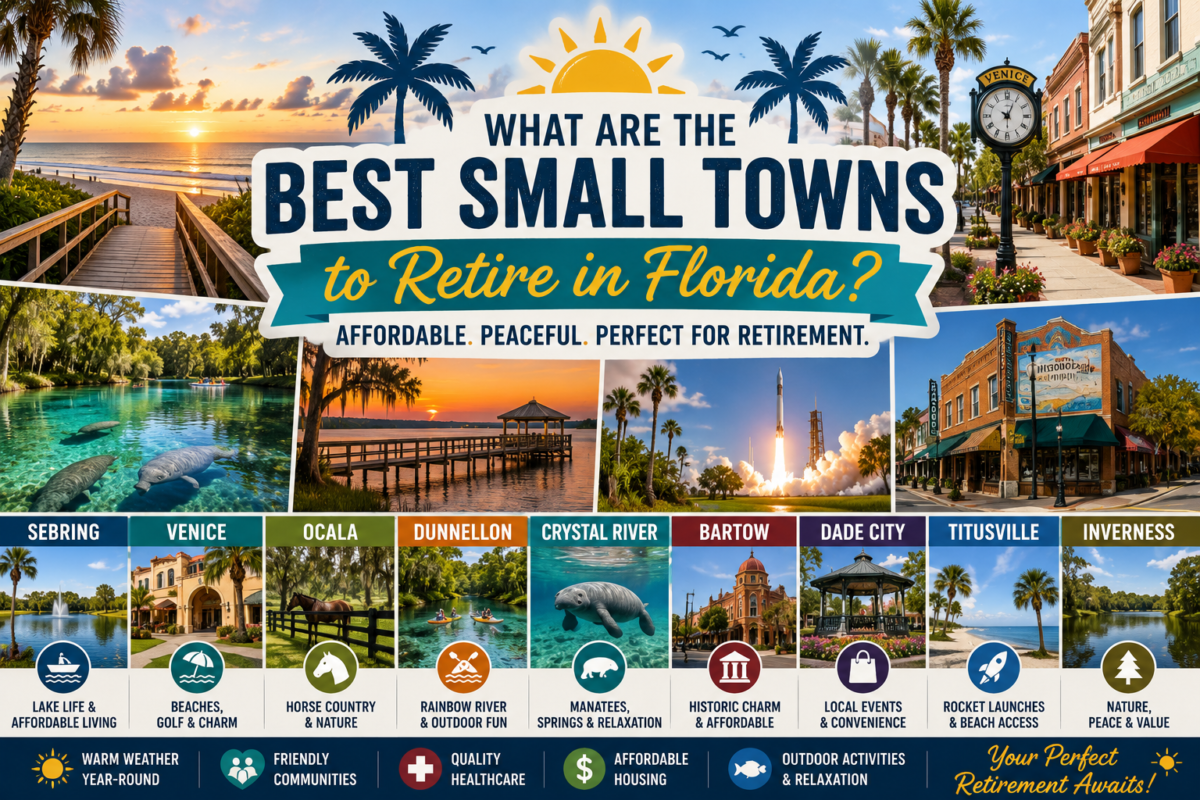
Planning to retire in Florida? You’re not alone. Thousands of people flock to the Sunshine State every year, looking for warm weather, affordable living, and a peaceful community to enjoy their golden years. But while big cities like Miami and Orlando get all the attention, some of the best places to retire are actually small towns. These hidden gems offer charm, lower costs, friendly neighbors, and all the Florida perks without the hustle.

If you’re searching for “What are the best small towns to retire in Florida?” you’re probably looking for real, practical info—not just a list of fancy names. You want to know which towns are affordable, safe, have good healthcare, and offer a lifestyle that fits your retirement goals. That’s exactly what we’re here to do: answer your question clearly, helpfully, and with tons of useful details.

Let’s dive into the top small towns in Florida that are perfect for retirement.


1. Sebring: Affordable Central Florida Charm

Located in Central Florida, Sebring is a budget-friendly town that’s quickly becoming a favorite for retirees. With an average home value of just $234,666, it’s one of the most wallet-friendly options in the state.

Why Retirees Love Sebring:

  • Low Cost of Living: Housing prices are well below the Florida state average ($369,996), making it easy to stretch your retirement savings.
  • Lakefront Lifestyle: Sebring is known as the “City of Lakes,” with over 30 lakes perfect for fishing, boating, and peaceful waterfront views.
  • Hungover Horse Events: The town hosts the annual Hungover Horse Trials, a prestigious equestrian event that draws visitors from around the country.
  • Friendly Community: Small-town vibes mean you’ll know your neighbors and feel part of a close-knit community.
  • Near Healthcare: While small, Sebring has access to quality healthcare facilities in nearby Lake Wales and Orlando.

Sebring is ideal if you want affordability, lake life, and a quiet pace without being too far from bigger cities.


2. Venice: Walkable Coastal Charm with Golf & Beaches

If you love the idea of retiring near the beach but don’t want the chaos of a big coastal city, Venice is a perfect fit. Often called “The Sedano of Florida,” Venice offers walkable charm, excellent golf courses, and a relaxed coastal lifestyle.

Why Venice Stands Out:

  • Beach Access: Venice Beach is known for its quiet shores, shark fossil hunting, and beautiful sunsets.
  • Walkable Downtown: The historic Venice Island and downtown area are packed with shops, restaurants, and cafes—all within walking distance.
  • Golf Culture: dozens of golf courses make Venice a top choice for golf-loving retirees.
  • Healthcare: Venice has top-rated medical facilities, including Venice Hospital and specialty clinics.
  • Active Senior Community: Many 55+ communities and social clubs keep retirees engaged and connected.

Venice is great if you want coastal living with culture, walkability, and a strong senior community.


3. Ocala: Small-Town Charm with Nature & Affordability

Ocala, located in north-central Florida, offers small-town charm, affordability, and plenty of access to nature. It’s often ranked among the best retirement cities for those who prefer a quieter, inland setting.

What Makes Ocala Great for Retirees:

  • Horse Country: Ocala is known as the “Horse Capital of the World,” with over 120 horse farms and equestrian events.
  • Affordable Housing: Home prices are lower than many Florida coastal towns, making it easy to buy without stretching your budget.
  • Nature Trails & Parks: The town is surrounded by beautiful state parks, including Silver Springs and Ocala National Forest.
  • Slow-Paced Lifestyle: Perfect if you want to avoid traffic, crowds, and the noise of big cities.
  • Good Healthcare: Ocala has multiple hospitals and medical centers, including Ocala Regional Medical Center.

Ocala is ideal for retirees who love horses, nature, and a calm, rural lifestyle.


4. Dunnellon: Budget-Friendly Riverfront Town

Dunnellon, tucked between Ocala and Orlando, is a budget-friendly town with a stunning riverfront setting. Home to the famous Rainbow River, Dunnellon is perfect for retirees who love water activities and natural beauty.

Why Dunnellon is a Retirement Gem:

  • Average Home Value: Around $267,289, making it one of the more affordable towns in Florida.
  • Rainbow River Access: Crystal-clear waters make it perfect for swimming, kayaking, and snorkeling.
  • Quiet & Peaceful: Dunnellon is known for its slow pace, friendly neighbors, and lack of crowds.
  • Near Orlando: You’re only 45 minutes from Orlando, giving you access to big-city amenities without living in the city.
  • Outdoor Lifestyle: Hunting, fishing, and hiking are popular here, thanks to nearby state forests and wildlife areas.

Dunnellon is perfect if you want nature, affordability, and a quiet life with easy access to Orlando.


5. Crystal River: Affordable Riverfront Living

Crystal River, on Florida’s northwest coast, is another affordable riverfront townthat’s perfect for retirees. Known as “The Manatee Capital of the World,” it’s a haven for nature lovers and wildlife enthusiasts.

Why Crystal River Appeals to Retirees:

  • Low Home Prices: Average home value is $264,924, well below the state average.
  • Manatee Viewing: During winter months, you can see manatees in the clear waters of Crystal River.
  • Freshwater Springs: The town is surrounded by beautiful springs perfect for swimming and kayaking.
  • Small-Town Friendly: A tight-knit community where everyone knows your name.
  • Near Tampa: Just 50 minutes from Tampa, you get big-city healthcare and shopping without the city stress.

Crystal River is great if you love wildlife, springs, and a peaceful riverfront lifestyle.


6. Bartow: Historic Charm with Affordable Housing

Bartow, in central Florida, is a small town where history comes alive. With an average home value of $269,685, it’s another affordable option for retirees looking for charm and community.

What Makes Bartow Special:

  • Historic Downtown: Walkable streets with old-school shops, cafes, and local boutiques.
  • Affordable Housing: Prices are below the Florida average, making it easy to buy a home on a retirement budget.
  • Close to Lake Wales: You’re just minutes from Lake Wales, which offers more healthcare, shopping, and dining.
  • Quiet Pace: Perfect if you want to avoid traffic and crowds.
  • Friendly Neighbors: Small towns like Bartow are known for their warm, welcoming communities.

Bartow is ideal for retirees who love history, affordability, and a slow-paced lifestyle.


7. Dade City: Central Florida Affordability with Local Flair

Dade City, in central Florida, is an affordable town with a lot of local charm. The average home value is $314,598, which is still below the state average.

Why Dade City is Great for Retiring:

  • Weekly Farmer’s Market: The historic downtown hosts a popular weekly farmer’s market with local produce and crafts.
  • Affordable Housing: Home prices are reasonable for Florida, making it easy to stretch your retirement income.
  • Close to Orlando: Only 45 minutes from Orlando, giving you access to big-city amenities.
  • Community Events: Dade City hosts festivals, parades, and local events throughout the year.
  • Good Healthcare: Nearby facilities in Winter Haven and Orlando provide quality medical care.

Dade City is perfect if you want affordability, local events, and easy access to Orlando.


8. Titusville: Space Coast charm with Rocket Launch Views

Titusville, on Florida’s Space Coast, offers a unique retirement experience. With an average home value of $263,427, it’s affordable and full of space-themed excitement.

Why Titusville is Unique:

  • Rocket Launch Views: You can watch NASA rocket launches from Playalinda Beach, just a few miles away.
  • Affordable Housing: Prices are well below the state average.
  • Beach Access: Near Canaveral National Seashore, offering quiet beaches and nature trails.
  • Small-Town Feel: Friendly neighbors, local shops, and a relaxed pace.
  • Near Cape Canaveral: Just 20 minutes from Cape Canaveral, giving you access to tourism, dining, and entertainment.

Titusville is ideal if you love space, beaches, and a quiet coastal lifestyle.


9. Inverness: Peaceful Northwest Florida Town

Inverness, in northwest Florida, is a peaceful town with affordable living and a quiet pace. It’s perfect for retirees who want to avoid crowds and enjoy a slower lifestyle.

What Makes Inverness Great:

  • Low Home Prices: Average value around $234,004, one of the most affordable towns in Florida.
  • Nature Trails: Surrounded by state forests and parks for hiking, fishing, and birdwatching.
  • Quiet & Safe: Known for its low crime rate and friendly community.
  • Near Tampa: About 50 minutes from Tampa for healthcare and shopping.
  • Lake Access: Several local lakes offer fishing and boating.

Inverness is perfect if you want affordability, nature, and a peaceful life.


Quick Comparison: Top Small Towns for Florida Retirement

TownAvg. Home ValueBest For
Sebring$234,666Lake life, affordability
VeniceHigherBeach, walkability, golf
OcalaModerateHorses, nature, small-town charm
Dunnellon$267,289Rainbow River, affordability
Crystal River$264,924Manatees, springs, riverfront
Bartow$269,685Historic charm, affordability
Dade City$314,598Local events, Orlando access
Titusville$263,427Rocket launches, beach access
Inverness$234,004Nature, peace, affordability

Which Small Town is Best for You?

The best small town to retire in Florida depends on what you value most. If you want affordability, check out Sebring, Inverness, or Dunnellon. If you love beaches and walkability, Venice is a top choice. For nature and horses, Ocala is perfect. And if you want something unique, Titusville’s rocket launches make it stand out.

All these towns offer:

  • Warm Florida weather
  • Affordable housing
  • Friendly communities
  • Access to healthcare
  • Plenty of outdoor activities

Take your time, visit a few towns, and see which one feels like home. Retirement is about enjoying life—and these small Florida towns make it easy to do just that.

Ready to start your Florida retirement journey? Pick a town, plan a visit, and get ready for the sunny, peaceful life you’ve been dreaming of!


What Are the Property Taxes Like in Florida?

Hey there, future Floridian or current Sunshine State homeowner! If you’re scratching your head over “What are the property taxes like in Florida?” you’re not alone. Florida’s property taxes can feel like a beach breeze—mostly pleasant but with a few unexpected gusts. Don’t worry; I’ve got your back. In this guide, we’ll break it down simply, so you can relax by the pool instead of stressing over tax bills. We’ll cover how they’re calculated, what you’ll actually pay, exemptions to lighten the load, and tips to keep more cash in your wallet. Let’s dive in!

Owning a home in Florida isn’t just about taxes, it’s also about protecting your investment, and that includes staying mindful of your home security alongside managing annual property costs.


How Florida Property Taxes Work

Florida doesn’t have a state income tax, which is a huge win for many folks. But property taxes? They’re the main way local governments fund schools, roads, fire departments, and those palm-lined parks you love. Your county appraiser sets your property’s value, and then millage rates (think of them as tax rates per $1,000 of value) from your city, county, school district, and special districts kick in.

Picture this: Your home is appraised at $300,000. If the total millage rate is 20 mills (or 2%), you’d owe about $6,000 before discounts. Easy math, right? Taxes are due every November 1, with a grace period until March 31 of the next year. Miss that, and interest starts piling up like sandcastles at low tide.

Florida caps how much your assessed value can jump each year at 10% (or the CPI change, whichever is less) for homesteaded properties. This “Save Our Homes” cap keeps things predictable—no massive spikes after a hot real estate market. Non-homestead properties? They can fluctuate more with market values. Pro tip: Check your county’s property appraiser website (like Miami-Dade or Orange County) for your exact numbers—it’s free and takes two minutes.


Average Property Tax Rates and What You’ll Pay

So, what are Floridians actually paying? On average, the effective property tax rate hovers around 0.79% to 0.91% of your home’s assessed value—way below the national average of about 1.1%. That’s music to your ears if you’re moving from high-tax states like New York or Illinois!

It varies by county, though. Here’s a quick snapshot of 2025 rates (based on recent data—always verify locally as they tweak annually):

CountyAvg. Effective RateMedian Home ValueMedian Annual Tax Bill
Miami-Dade1.02%$450,000$4,590
Broward0.95%$420,000$3,990
Palm Beach0.91%$480,000$4,368
Orange (Orlando)0.88%$380,000$3,344
Hillsborough (Tampa)0.92%$350,000$3,220
Duval (Jacksonville)0.85%$290,000$2,465
Pinellas (St. Pete)0.87%$360,000$3,132

These are medians, so your bill depends on your home’s value and location. Coastal spots like Miami or Naples often run higher due to pricier properties and extra flood district millages. Inland areas? Sweeter deals.

For a $400,000 home statewide, expect $3,000–$4,000 yearly after typical discounts. Renters, you might not see it directly, but it factors into your lease—landlords pass it on. New buyers get a fresh start with “just value” reset to market price, but homestead exemptions (more on that soon) can shave off 20–50% right away.

Fun fact: Florida ranks 27th nationally for property taxes—affordable compared to California (0.75% but sky-high values) or Texas (1.68%). If you’re house-hunting, tools like SmartAsset’s calculator let you plug in addresses for instant estimates.


Exemptions and Discounts

Florida loves helping out its residents with exemptions—think of them as coupons for your castle. The big one? Homestead Exemption. Own and live in your home as your primary residence? File by March 1, and you get up to $50,000 off your assessed value. That’s $1,000 less tax at a 2% rate!

  • $25,000 universal exemption: Applies to everyone on the first $25,000 of value.
  • Extra $25,000 for homesteaders: Kicks in above $50,000, but school taxes only get the first chunk.

Seniors (65+) can stack more goodies:

  • Additional Homestead Exemption: Up to $50,000 extra if your home value is under $373,000 (2025 threshold).
  • Senior Deferral: Postpone taxes if income is low—pay later with interest.

Other perks:

  • Widows/Widowers, Disabled Persons, Veterans: 100% exemption on the first $5,000, plus more for total disabilities or Purple Heart recipients (up to full exemption!).
  • Deployed Military: Temporary 100% freeze.
  • Green Building: Discounts for energy-efficient upgrades.

Renters? The “portability” feature lets you transfer up to $500,000 in Save Our Homes cap to a new Florida home. Downsizing? Cash in those savings!

To claim: Submit form DR-501 to your county appraiser. Portable? Use DR-501T. Miss the deadline? Tough luck until next year. Many counties offer online portals—super straightforward.


Special Districts and Hidden Fees

Not all taxes are from the basics. Florida has over 1,000 special districts adding millage for water management, hospitals, or fire services. In the Everglades-heavy South, expect flood control add-ons (0.2–0.5 mills). Mosquito districts in swampy areas? Yep, pennies per $1,000.

Non-ad valorem assessments hit like utility bills: garbage, stormwater, MSR (Municipal Service) fees. These aren’t percentage-based but flat or per-unit, so they sting less on mansions.

Condo owners: You pay on your unit’s share of the whole building, plus hefty HOA fees that cover insurance post-Surfside collapse mandates. Taxes average similar rates, but rising insurance bumps HOAs skyward.

Vacation homes or rentals? No homestead mercy—full market value, no caps. Airbnb hosts, note: Short-term rentals might trigger business taxes too, and ensuring strong home security measures is just as important for protecting your property and guests.


How to Calculate Your Own Florida Property Tax Bill

Ready to crunch numbers? Follow these steps:

  1. Find your Just Value: Google “[Your County] Property Appraiser” + address. It’s public.
  2. Get Assessed Value: For homestead, it’s capped; others match market.
  3. Apply Exemptions: Subtract your homestead or others.
  4. Check Millage Rates: Listed on the appraiser site by district.
  5. Multiply: (Taxable Value x Millage Rate)/1,000 = Bill.
  6. Add Non-Ad Valorem: From your TRIM notice (Truth in Millage) mailed in August.

Example: $400K home in Orange County, homesteaded.

  • Assessed: $300K (capped).
  • Exemption: -$50K.
  • Taxable: $250K.
  • Millage: 18 mills.
  • Tax: ($250K x 0.018) = $4,500. Boom!

Apps like Florida Tax Calculator or county tools do it instantly. Protest your value? January deadlines for informal chats or formal appeals—many win reductions!


Tips to Lower Your Property Taxes in Florida

Who doesn’t love saving money? Here’s your cheat sheet:

  • File for Homestead ASAP: New owners have until 3 years retroactively, but early birds get the worm.
  • Appeal High Valuations: If comps are lower, gather sales data and petition. Success rate? 60%+ in busy counties.
  • Make Improvements Wisely: Homestead caps protect additions; report minor ones to avoid reassessments.
  • Go Green: Solar panels or efficiency upgrades qualify for exemptions.
  • Consider Portability: Moving within Florida? Transfer savings.
  • Pay Early: Discounts up to 4% if paid in November!
  • Get Help: CPAs or tax pros specialize in this—worth it for big bills.

Watch for TRIM notices—your annual heads-up. Questions? County offices are friendly and free.


Florida Property Taxes vs. Other States

Stack Florida against neighbors: Georgia (0.92%), average bills similar but colder winters. North Carolina (0.77%), close but higher income taxes. Texas? Cheaper rates (1.68% effective? Wait, no—higher but no state income). New York? 1.54%—nightmare.

Florida’s combo of low rates, caps, and exemptions makes it homeowner-friendly. Post-pandemic boom drove values up 50%+, but caps shielded most. Expect slight 2026 hikes from insurance crises, but still competitive.


Breathe Easy on Florida Taxes

There you have it—Florida property taxes demystified! Rates are reasonable (under 1% average), exemptions generous, and tools make it painless. Whether you’re buying in the Keys or chilling in Gainesville, plan for 0.8–1.2% of value, stack discounts, and stay on top of notices.

Moving soon? Chat with a local realtor for county specifics. Already here? Audit your exemptions today. Got questions on your county? Drop your zip in the comments—happy to point you right.

Florida’s taxes let you keep more for beach days, not bill pays. Sunshine and savings? Sign me up!

What I Wish I Knew Before Moving to Florida

Moving to Florida sounds like a dream for many. Sunshine, beaches, and warm weather all year round easily attract new residents. But if you are planning to move to the Sunshine State, there are some things you should know before you pack your bags. Here’s what I wish I knew before moving to Florida to make your transition smooth and enjoyable.


Florida Weather: More Than Just Sunshine

You probably think Florida means perfect sunny weather every day. The truth is, you should expect plenty of sunshine but also some surprises. Summers are hot and humid, often feeling hotter than what a regular thermometer might show. You’ll sweat more just walking outside on some days. The humidity can stick to your skin like a heavy blanket.

Also, don’t be fooled—summer means hurricane season. From June to November, storms can come and disrupt your plans. It’s smart to have an emergency kit ready and keep an eye on local weather reports. Also, sudden afternoon thunderstorms are common. These clouds and bursts of rain usually last a short time but can soak you quickly.

Winters in Florida are mild and short. If you come from a cold northern state, you’ll love the relief from freezing temperatures. Many people wear shorts and flip-flops even in winter, but there can be cold snaps, so bring a jacket just in case.


Cost of Living: What to Expect

Florida has no state income tax, which sounds like a money-saving deal. But don’t let that fool you. The cost of living can still be high, especially in popular cities. Housing prices vary widely, but buying a home in Miami or some other coastal cities can be expensive. Rent might also be higher than you expect.

Utilities might surprise you, too. Air conditioning is a must for most of the year, and that can cause your power bill to climb. Water bills can add up as well, especially if you spend time watering your lawn during drier months.

Groceries and everyday shopping can be similar to other states, but certain areas might have higher prices depending on where you shop. Planning your budget and researching your chosen neighborhood are super important before moving, and checking for safe streets or reliable home security options can add extra reassurance..


Traffic and Transportation: Plan for Slow Commutes

Driving is how most people get around in Florida. Public transportation isn’t always reliable or widespread outside big cities. You’ll soon realize that traffic can be a headache during rush hours.

Major cities like Miami, Tampa, and Orlando have busy roads, and traffic jams are common. Plan your trips to avoid peak hours where possible. Also, parking can be tricky and expensive in some tourist-heavy areas.

If you don’t have a car, it may be harder to get around, so consider living close to your work or school. Once you get used to driving, you’ll learn the best routes and shortcuts, but patience is key at first.


Wildlife and Pest Reality Check

Florida is full of amazing wildlife, and many animals are part of everyday life here. However, some critters might surprise you if you aren’t prepared.

Mosquitoes are definitely something to expect, especially in warmer months. Having repellents on hand and screens on your windows helps a lot. You might also see lizards and geckos around your home; they are harmless but can be startling if you aren’t used to them.

Living near water or swampy areas means always watching out for snakes and alligators. These mostly stay away from people but it’s good to be cautious, especially near lakes and canals.


Culture and Lifestyle: Embrace the Florida Vibe

Florida is a blend of cultures, with many people from all over the world choosing to call it home. You’ll hear a mixture of languages, especially Spanish, and enjoy various foods and festivals. This makes Florida exciting and vibrant.

Outdoor activities are popular because of the great weather. Beaches, parks, boating, and fishing are just a few fun options waiting for you. You might find yourself spending weekends soaking up the sun rather than staying indoors.

However, Florida can feel touristy in places, especially in cities with major attractions. Sometimes locals try to avoid those areas because of crowds. Finding your favorite quiet spots for relaxation is part of settling into your new life.


Healthcare and Services: What You Should Know

Healthcare access varies across Florida. In larger cities, you will find excellent medical facilities and specialists. Rural areas might have fewer options. It’s a good idea to research doctors and hospitals near your new home before moving.

If you have regular prescriptions or special health needs, check for nearby pharmacies and healthcare providers. Planning ahead can save you stress later.

Services like internet and cable TV are mostly reliable in cities, but some rural regions might have slower connections or limited choices. Confirm what’s available in your neighborhood before signing leases or buying property.


Preparing for Florida’s Seasonal Changes

Before hurricane season or sudden storms arrive, it’s important to take steps to safeguard your property. Simple precautions like checking doors and windows, securing outdoor items, and protecting your garage and home can prevent costly damage and give you peace of mind as you settle into your new Florida residence.

Unlike many states, Florida’s seasons are less about cold and snow and more about rainfall and dry spells. Summer and fall bring heavy rainstorms and hurricanes, so prepare your home and have emergency plans.

Winter and spring are drier and cooler, perfect for outdoor activities and festivals. Many people relocate within Florida seasonally to enjoy the mild weather.

Knowing these seasonal rhythms helps you enjoy everything Florida offers while avoiding surprises.


Final Tips for Adjusting to Florida

When you move, expect a different pace of life. People are often laid-back and friendly, ready to chat about the weather or local events. You might find yourself adopting a slower, more relaxed lifestyle.

It’s also good to get involved with local groups, clubs, or activities. Meeting neighbors and making friends helps you feel at home quickly.

Lastly, be patient with yourself. Moving anywhere new takes time. Florida has so much to offer once you get used to its quirks and lifestyle.

Moving to Florida comes with many rewards but also some challenges you should prepare for. Keeping these tips in mind will help you settle in, enjoy your new surroundings, and make the most of your Florida adventure. Welcome to your new Sunshine State life!

At What Age Do You Stop Paying Property Taxes in FL?

If you live in Florida and are wondering, “At what age do you stop paying property taxes in FL?” you’re not alone. Many residents want to know if they can get relief from property taxes as they get older. The good news is Florida offers some helpful programs for seniors, but it doesn’t mean you stop paying property taxes completely just because of your age. Let’s break down everything you need to know clearly and simply.


Understanding Property Taxes in Florida

First, it’s important to know how property taxes work in Florida. When you own a home or property, the county where your property is located charges you property taxes. These taxes help pay for local services like schools, road maintenance, and emergency services. Everyone who owns property pays them every year, regardless of age.

In Florida, property taxes are based on the assessed value of your home or property. This is determined by the county property appraiser’s office. Property taxes are calculated by multiplying the tax rate (millage rate) by your property’s assessed value. So, your tax bill depends mostly on how much your home is worth and the local tax rates.


Do Seniors Stop Paying Property Taxes in Florida?

Now, to answer the main question: you do not automatically stop paying property taxes just because you reach a certain age in Florida. Simply turning 65 doesn’t mean you get a full exemption from these taxes. However, Florida offers special exemptions and tax relief programs for seniors that can significantly reduce what you owe.

These are the main options for seniors:

1. The Homestead Exemption

The Homestead Exemption is available to everyone who owns and lives in their home as their primary residence. It reduces the taxable value of your property by up to $50,000. Everyone who qualifies can apply, no matter their age. This already lowers your property tax bill.

If you’re a senior, the Homestead Exemption still applies — but it’s just the starting point of potential savings.

2. The Additional Senior Exemption (Age 65 and Over)

Florida provides an extra property tax exemption for homeowners aged 65 or older. To qualify, you need to have a combined household income below a certain limit, which usually changes every year but often falls around $30,000 to $35,000. This exemption can provide an additional reduction in the taxable value of your home, lowering your property taxes even more.

This is not a tax elimination but a reduction. You still pay some amount of tax, but less than you would without the exemption.

3. The Senior Property Tax Deferral Program

Here’s a helpful program if your income is limited and paying property taxes is a challenge. Florida allows seniors age 65 or older to defer paying property taxes on their primary residence until they sell the home or pass away.

Here’s how it works: You apply through your county tax collector’s office, and if you qualify, the state puts a lien on your home. This lets you delay payments, giving you time to pay later or pass the cost to heirs. But the taxes are not forgiven; they are just postponed.

This program is ideal if you want relief now but can handle the bill eventually.


What About Other Tax Reduction Programs for Seniors?

Beyond these main benefits, some counties or cities within Florida may offer additional programs or special exemptions for seniors. Sometimes these depend on your income level, disability status, or veteran status. It’s a good idea to check with your local property appraiser for any extra perks.


You Don’t Stop Paying Property Taxes Entirely at a Certain Age in Florida

So, if you were hoping to completely stop paying property taxes simply because you turned 65 or got older, that’s not how it works in Florida. Instead, the state has designed helpful programs to reduce your burden.

Here’s a quick recap for you:

  • Property taxes are always due if you own property in Florida.
  • You can apply for a Homestead Exemption, which lowers taxable value for everyone who lives in their home.
  • Seniors age 65 or older with limited income can get additional exemptions to reduce taxes more.
  • You can defer property taxes if you meet income qualifications, delaying payment without erasing it.
  • You should check with your local property appraiser and tax collector’s office for specific county programs.

How to Apply for These Senior Property Tax Benefits

You might be wondering how to get these exemptions and deferrals. Here’s what you should do:

  • Contact your county property appraiser’s office to apply for Homestead and senior exemptions.
  • Be ready to provide proof of age, income statements, residence, and proof of home ownership.
  • If interested in the deferral program, reach out to your county tax collector’s office for the application.
  • Make sure to apply before the yearly deadline, usually March 1st, to qualify for exemptions that year.

Keep Your Property Taxes Low, Not Zero

While Florida doesn’t completely stop property taxes for seniors, the system offers tools to help you keep your tax bill manageable. Knowing your options and applying for the right exemptions can make a big difference. By planning ahead and using the available programs, you’ll pay less and enjoy your golden years with both financial peace and home security, without worrying about surprising tax bills. So, don’t wait — check your eligibility today and save yourself some money!

Do Retirees Pay Taxes in Florida? Everything You Need to Know

Thinking about spending your golden years in the Sunshine State? You’re not alone! Florida is a top destination for retirees, and one of the biggest reasons is its famously friendly tax environment. But what does that really mean for your wallet? Do retirees pay taxes in Florida? Let’s break it down in simple terms so you can make the best decision for your retirement.


Florida’s Tax Landscape: The Basics

If you’re worried about state taxes eating into your retirement income, Florida has good news for you. Florida does not have a state income tax—not for retirees, not for anyone. That means your Social Security, pension, 401(k), IRA withdrawals, and other retirement income are all tax-free at the state level.

Here’s a quick overview of the taxes you might encounter as a retiree in Florida:

  • State income tax: None
  • Social Security tax: None
  • Pension/retirement account tax: None
  • Estate or inheritance tax: None
  • Property tax: Varies by county, but there are exemptions for seniors
  • Sales tax: State rate is 6%, with local add-ons averaging a total of 7%

Let’s dive deeper into each type of tax and what it means for you.


Retirement Income: What’s Taxed and What’s Not

No State Income Tax

Florida is one of only a handful of states with zero state income tax. This is the headline benefit for retirees. Whether your retirement income comes from Social Security, a pension, an IRA, a 401(k), or even investment dividends, Florida won’t tax it.

“Florida does not have a personal income tax, distributions from pensions, 401(k)s, 403(b)s and IRAs are not taxed at the state or local level.” – Florida State Tax Guide

This is a huge advantage compared to many other states, where retirees might pay state taxes on some or all of their retirement income. In Florida, you get to keep more of what you’ve saved.

Social Security Benefits

Florida does not tax Social Security benefits. You can collect your monthly Social Security check without worrying about state taxes taking a bite out of it.

However, the federal government may tax a portion of your Social Security benefits, depending on your total income. This is the same no matter where you live in the U.S., so it’s not specific to Florida.

Pension and Retirement Accounts

If you receive a pension or you’re taking withdrawals from retirement accounts like IRAs or 401(k)s, Florida won’t tax those either. This applies to both public and private pensions, as well as all types of retirement accounts.

Even if you earned your pension or built up your retirement accounts in another state, once you become a Florida resident, your withdrawals are not subject to Florida state income tax.

Investment Income

Do you have income from investments, like dividends or capital gains? Florida does not tax these either, thanks to the absence of a state income tax. This is especially helpful if you rely on investment income to supplement your retirement.

Estate and Inheritance Taxes

Florida has no estate tax and no inheritance tax. This means you can pass on your assets to your heirs without the state taking a share. It’s a big relief for retirees who want to leave a legacy.


Property Taxes: What Retirees Need to Know

While Florida is a haven for income taxes, you’ll still need to pay property taxes if you own a home. The average property tax rate in Florida is about 0.79% of a home’s assessed value, which is slightly below the national average. However, the actual amount you pay depends on your county and the value of your home.

Homestead Exemption

Florida offers a homestead exemption of up to $50,000 for your primary residence. This can significantly reduce your property tax bill, especially if you’re a full-time resident. Many retirees take advantage of this exemption to save hundreds or even thousands of dollars each year.

Some counties also offer additional exemptions for seniors. If you’re 65 or older and meet certain income requirements, you might qualify for extra property tax relief.

Downsizing or Relocating

If you’re thinking about downsizing or moving to a more affordable area, Florida’s property tax rates are generally reasonable. However, housing costs can vary widely across the state. For example, Miami and other coastal cities may have higher home prices and property taxes than rural areas.


Sales Tax: What to Expect

Florida’s state sales tax rate is 6%, but local governments can add their own sales taxes, bringing the average combined rate to about 7%. Some counties may go as high as 8%. The good news is that groceries and prescription medicines are exempt from sales tax, which helps retirees manage their budgets.

When you’re planning your retirement spending, keep in mind that most goods and many services will be subject to sales tax. However, the overall sales tax burden in Florida is close to the national average.


Comparing Florida to Other States

If you’re moving from a state with high taxes, Florida’s tax advantages can be dramatic. In states like California, New York, or Illinois, retirees may pay state income taxes on pensions, retirement account withdrawals, and sometimes even Social Security. These taxes can add up to thousands of dollars each year.

In Florida, you’ll keep more of your retirement income, which means your savings can last longer and your quality of life can be higher.


Frequently Asked Questions

Do I have to pay federal taxes as a retiree in Florida?

Yes, federal taxes still apply. The IRS may tax certain types of retirement income, including a portion of your Social Security benefits, depending on your total income. Florida’s tax benefits are at the state level only

What if I earn income from a part-time job in retirement?

If you work part-time in Florida, you’ll still pay no state income tax on your wages. However, you’ll need to pay federal income tax as usual.

Are there any taxes I should worry about in Florida?

Besides property and sales taxes, there are no other major state taxes for retirees in Florida. There’s no estate tax, inheritance tax, or state income tax.

What about taxes on gifts or large financial transactions?

Florida does not have a state gift tax. However, large gifts may be subject to federal gift tax rules, which apply nationwide.

Can I qualify for additional tax exemptions as a retiree?

Yes! In addition to the homestead exemption, some Florida counties offer extra property tax exemptions for seniors. These are typically based on age and income, so check with your local tax assessor’s office for details.


Florida Is a Tax-Friendly State for Retirees

If you’re looking for a place to stretch your retirement savings, Florida is one of the most tax-friendly states in the country. You won’t pay state income tax on your retirement income, Social Security, or investments. There’s no estate or inheritance tax, and property taxes are manageable—especially with available exemptions.

You’ll still pay federal taxes and local sales and property taxes, but overall, Florida offers a financial environment that lets you keep more of your hard-earned money. That’s why so many retirees choose to call Florida home.

So, do retirees pay taxes in Florida? Not on their retirement income! Enjoy the sunshine, the beaches, the peace of mind that comes with a secured home, and the extra cash in your pocket. Welcome to retirement, Florida style.

Do Retirees Pay Taxes in Florida?

If you’re dreaming of sunny days, sandy beaches, and a retirement free from state income taxes, you’re not alone. Florida has long been a magnet for retirees, and one of the biggest reasons is its tax-friendly reputation. But what does that really mean for you? Let’s break down exactly what taxes retirees pay in Florida, what’s exempt, and what you need to know to make the most of your retirement dollars.

Why Retirees Love Florida

The State Income Tax Advantage

You may have heard that Florida is a tax haven for retirees, and that’s absolutely true. Florida does not have a state income tax. This means you won’t pay state taxes on your Social Security benefits, pension income, IRA withdrawals, 401(k) distributions, or any other retirement income. Whether you’re collecting a pension from a career in education, drawing down your 401(k), or living off your Social Security, you get to keep more of your money.

Here’s what you can expect as a retiree in Florida:

  • No state income tax on any retirement income
  • No state taxes on Social Security benefits
  • No state taxes on pensions, IRAs, or 401(k)s
  • No state taxes on investment income, like dividends or capital gains

You can rest easy knowing that the money you’ve worked hard to save will go further in the Sunshine State.

What About Other Taxes? Property, Sales, and More

While you won’t owe state income tax, there are still some taxes you should be aware of as a Florida resident. Let’s look at the main ones:

Property Taxes

Florida’s property taxes are close to the national average, with an average effective rate of about 0.79% of your home’s assessed value. The exact rate depends on your county and city. Some counties offer additional property tax exemptions for seniors, which can help you save even more if you qualify.

  • Homestead Exemption: Florida offers a homestead exemption that can reduce the taxable value of your primary residence by up to $50,000.
  • Senior Exemptions: Some counties and cities provide extra exemptions for homeowners aged 65 and older, especially if your income is below a certain threshold.
  • State Sales Tax: Beyond property taxes, Florida imposes a state sales tax of 6%, with local surtaxes that can add up to 2%. This sales tax applies to many services, including locksmith and garage door services, meaning these services are subject to proper taxation under Florida law. Understanding both property taxes and sales taxes on services is important for budgeting and financial planning in Florida.

Sales Tax

Florida’s state sales tax rate is 6%, but local counties can add their own surtax, bringing the average combined rate to about 7%. The good news is that many essentials, like groceries and prescription medications, are exempt from sales tax.

No Inheritance or Estate Tax

Florida does not have an inheritance tax or estate tax. If you plan to leave assets to your loved ones, they won’t face additional state taxes on their inheritance.

Federal Taxes Still Apply

Even though Florida doesn’t tax your retirement income, you’re still responsible for federal taxes. The IRS may tax your Social Security benefits, pension payments, and withdrawals from traditional retirement accounts.

Social Security Taxes

At the federal level, whether your Social Security benefits are taxable depends on your “provisional income.” This is your adjusted gross income plus half your Social Security benefits and any tax-exempt interest. If your provisional income is above $25,000 for single filers or $32,000 for married couples filing jointly, you may owe federal taxes on up to 50% or even 85% of your Social Security benefits.

Retirement Account Withdrawals

Withdrawals from traditional IRAs, 401(k)s, and other pre-tax retirement accounts are subject to federal income tax. Roth IRAs, on the other hand, are generally tax-free if you meet the withdrawal requirements.

Pension Income

If you receive a pension, the taxable portion is subject to federal income tax, but again, not to Florida state tax.

How to Qualify for Florida’s Tax Benefits

To enjoy Florida’s tax perks, you need to be a legal resident. That means making Florida your primary home. Here’s how you can establish residency:

  • Spend more than half the year (at least 183 days) in Florida
  • Register to vote in Florida
  • Get a Florida driver’s license and register your car in the state
  • File a Declaration of Domicile with the county clerk, if needed

If you split your time between Florida and another state, make sure you clearly establish Florida as your primary residence to avoid tax issues with your former state.

Frequently Asked Questions: Retiree Taxes in Florida

Do I pay Florida state income tax on my retirement income?

No, Florida does not tax retirement income, including pensions, IRAs, 401(k)s, or Social Security.

Are my Social Security benefits taxed in Florida?

No, Florida does not tax Social Security benefits. However, the federal government may tax a portion of your benefits depending on your total income.

Do I pay taxes on my pension in Florida?

No, Florida does not tax pension income. You will still owe federal taxes on any taxable portion of your pension.

What about investment income and capital gains?

Florida does not tax investment income or capital gains at the state level. Federal taxes still apply.

Are there property tax breaks for retirees in Florida?

Yes, you may qualify for property tax exemptions, including the homestead exemption and additional senior exemptions in some counties.

Does Florida have an inheritance or estate tax?

No, Florida does not have an inheritance or estate tax.

What Taxes Might Retirees Still Pay in Florida?

While Florida is incredibly tax-friendly, you’ll still encounter some taxes:

  • Federal income taxes on retirement account withdrawals, pensions, and possibly Social Security
  • Property taxes on real estate you own, though rates are moderate and exemptions are available
  • Sales taxes on most goods and some services, with groceries and prescriptions typically exempt

If you’re moving from a state with high income taxes, you’ll notice significant savings. Just remember to plan for federal tax obligations and consider property and sales taxes in your budget.

Tips for Maximizing Your Retirement Dollars in Florida

  • Establish Florida residency as soon as possible to start benefiting from tax savings.
  • Take advantage of property tax exemptions if you own your home.
  • Work with a tax advisor to minimize federal taxes on your retirement income.
  • Consider the impact of sales taxes when budgeting for large purchases.
  • Review your estate plan, knowing that Florida won’t tax your heirs.

Florida Is a Retiree Tax Paradise

If you’re looking for a state where your retirement income goes further, Florida is hard to beat. With no state income tax, no tax on Social Security, pensions, or retirement accounts, and no inheritance or estate taxes, you’ll keep more of your hard-earned money. Combine that with beautiful weather and a vibrant lifestyle, and it’s easy to see why so many retirees choose to call Florida home.

So, do retirees pay taxes in Florida? You’ll still pay federal taxes and some local taxes, but when it comes to state income tax, the answer is a resounding no. Enjoy your retirement, your sunshine, and your savings!

What are the disadvantages of retiring in Florida?

Florida is famous for its sunshine, beaches, and laid-back lifestyle, making it a top retirement pick for many. But before you pack your bags and head south, you should know the disadvantages of retiring in Florida. While the perks are real, the challenges can catch you off guard if you’re not prepared.

Let’s dive into the less-talked-about side of retiring in Florida so you can make an informed choice.


1. The High Price Tag of Paradise

Florida might lure you with its no state income tax, but living costs can surprise you. Housing prices in hot spots like Naples, Sarasota, and Miami have soared, often outpacing the national average by a wide margin. Median home prices in Naples top $577,000, while Sarasota hovers above $550,000. Even rental rates and everyday expenses—groceries, dining, utilities—can be higher, especially in touristy areas.

If you’re on a fixed income, these costs can strain your budget. Property insurance is another big expense, especially in coastal zones where hurricanes are common. Many insurers have pulled out of Florida, leaving homeowners to rely on the state’s insurer of last resort, which can mean higher premiums and less coverage. Property taxes can also be steep, even with homestead exemptions for retirees.

Sales taxes in Florida are relatively high at 6%, and while there’s no state income tax, these other costs add up quickly. If you want to stretch your retirement dollars, you might need to look at less popular, inland towns where prices are lower and crowds are smaller.

2. Weather Woes: More Than Just Sunshine

Florida’s weather is a double-edged sword. Yes, you get mild winters and plenty of sunshine, but summers can be brutal. Temperatures often climb into the 90s, and humidity makes it feel even hotter. If you’re not used to subtropical climates, the heat can be overwhelming and even dangerous, especially for older adults.

High temperatures and humidity can lead to dehydration, heat exhaustion, and make existing health issues worse. You’ll likely spend more time indoors with the air conditioning running, which means higher electricity bills. Outdoor activities may be limited during peak summer months, so you have to plan your outings carefully.

And then there’s hurricane season. From June through November, storms are a real threat. Coastal areas and low-lying regions often require evacuation during severe weather. Even if your home survives, the stress of preparing for storms and the risk of property damage are constant worries. Flood insurance is a must, but it’s expensive and coverage can be limited.

3. Crowds, Traffic, and Limited Public Transit

Florida’s popularity means you’ll share your paradise with lots of other people—both residents and tourists. Popular beaches, restaurants, and attractions can get crowded, especially during peak seasons. Traffic congestion in cities like Miami, Orlando, and Tampa can be frustrating, and parking is often scarce.

If you prefer peace and quiet, you might find the tourist crowds a drawback. The influx of visitors also drives up prices for everything from groceries to entertainment, making it harder to stick to a budget.

Public transportation is another weak point. Outside of major cities, bus and train services are limited, so owning a car is almost a necessity. If you don’t want to drive or can’t, getting around can be a challenge. Even in cities with better transit, you may still need to rely on taxis or ride-sharing to get where you need to go.

4. Health and Lifestyle Considerations

Retiring in Florida means adapting to a new community and lifestyle. While there are plenty of active adult communities and social opportunities, not everyone finds it easy to make new friends or fit in. If you’re moving from a different state, you’ll need to get used to a new pace of life and local customs.

Healthcare is another factor to consider. While Florida has many top-rated hospitals and medical facilities, navigating the healthcare system can be confusing, especially if you’re new to the state. Rising healthcare costs are a concern for many retirees, and finding the right doctors or specialists may take time.

The state’s active lifestyle is a plus, but not everyone enjoys the same activities. If you’re not into golf, beach walks, or outdoor sports, you might find fewer options for entertainment. Cultural events and nightlife can be limited outside of major cities.

5. Insurance and Financial Surprises

One of the biggest financial surprises for retirees in Florida is the cost of insurance. Homeowners’ insurance premiums have skyrocketed due to hurricane risks and the increasing number of claims. Many insurers have left the state, forcing homeowners to use the state-backed insurer, Citizens Property Insurance Corporation.

Flood insurance is often required in addition to standard homeowners’ coverage, and both can be pricey. For those on a fixed income, these costs can be a significant burden. Even if your home is inland and less exposed to storms, insurance rates can still be high.

Property taxes are another issue. While Florida offers a homestead exemption for retirees, property tax rates can still be higher than in other states, especially in desirable areas. Sales taxes, as mentioned earlier, add to the overall cost of living.

New residents should also consider setting aside funds for professional lock and key services, especially when moving into an unfamiliar home.

6. Natural Disasters and Environmental Risks

Florida’s beautiful environment comes with risks. Hurricanes, tropical storms, and flooding are regular threats, especially in coastal regions. Rising sea levels and climate change are making these risks even more serious for long-term residents.

Preparing for storms means having a plan for evacuation, securing your home, and stocking up on supplies. The stress of living with these risks year after year can take a toll on your peace of mind. For some, the constant threat of natural disasters is enough to reconsider retiring in Florida.

Wildlife encounters are another unique challenge. Alligators, snakes, and other critters are common, especially near water. While most encounters are harmless, they can be startling if you’re not used to them.

7. Social and Community Challenges

While Florida is known for its retiree-friendly communities, not everyone finds it easy to fit in. Some retirees report feeling isolated or having trouble making new friends, especially if they move far from family or previous social networks.

Active adult communities offer lots of amenities and social activities, but they may not suit everyone’s taste or budget. If you prefer a quieter, more private lifestyle, you might find the constant social buzz overwhelming.

Language and cultural differences can also be a factor, especially in areas with large immigrant populations. While diversity is a strength, it can take time to adjust if you’re not familiar with local customs or languages.


Is Florida Right for You?

Retiring in Florida has plenty of benefits, but the disadvantages are real and worth considering. High living costs, extreme weather, insurance headaches, and crowds are just a few of the challenges you might face.

If you’re prepared for these issues and can afford the extra expenses, Florida can be a wonderful place to retire. But if you value peace, quiet, and predictable weather, you might want to explore other options.

Ultimately, the decision comes down to your priorities and what you want from your retirement. Take the time to research, visit different areas, and talk to current residents before making your move. That way, you’ll know exactly what to expect and can enjoy your golden years to the fullest.

Why Do People Move to Florida for Retirement?

Florida, often referred to as the “Sunshine State,” has long been a top choice for retirees. From financial benefits to lifestyle perks, Florida offers a unique combination of advantages that make it irresistible for those looking to enjoy their golden years. If you’re wondering why so many people choose Florida for retirement, let’s dive into the key reasons.

1. Tax-Friendly Policies for Retirees

One of the biggest draws for retirees is Florida’s tax-friendly environment. The state offers significant financial advantages that help stretch retirement savings further:

  • No State Income Tax: Florida does not tax personal income, which means your Social Security benefits, pensions, IRAs, and 401(k) withdrawals are untouched by state taxes.
  • No Inheritance or Estate Taxes: Retirees can pass on their wealth without worrying about additional state taxes.
  • Lower Property Taxes: While property insurance can be pricey due to hurricanes, property taxes in Florida are relatively low compared to other states.

These tax policies allow retirees to maximize their income and enjoy peace of mind when planning their financial future.

2. Year-Round Warm Weather

Florida’s subtropical climate is a dream come true for those who dislike cold winters. With sunshine almost every day of the year, retirees can enjoy outdoor activities year-round. Whether it’s golfing, fishing, or simply taking a stroll on the beach, the warm weather makes staying active easy and enjoyable.

Some highlights include:

  • Mild winters with average temperatures ranging from 60°F to 70°F.
  • Endless opportunities for outdoor recreation like boating, hiking, and beachcombing.
  • No need to shovel snow or deal with icy roads!

For many retirees, the promise of sunny days and warm evenings is reason enough to make Florida home.

3. Beautiful Beaches and Outdoor Activities

Florida boasts over 1,200 miles of coastline and some of the most stunning beaches in the world. Retirees can relax on white sandy shores or explore vibrant coastal towns. Popular beach destinations include Clearwater Beach, Naples, and Sarasota.

Beyond beaches, Florida offers:

  • World-class golf courses for enthusiasts at every skill level.
  • National parks like the Everglades for nature lovers.
  • Fishing spots along both the Atlantic Ocean and Gulf of Mexico.

The abundance of outdoor activities ensures there’s always something fun to do in Florida.

4. Vibrant Retirement Communities

Florida is home to some of the largest and most active retirement communities in the U.S., such as The Villages. These communities offer more than just housing—they provide a built-in social network and endless amenities like fitness centers, pools, and organized events.

Benefits of retirement communities include:

  • Opportunities to meet like-minded individuals.
  • Organized activities such as yoga classes, book clubs, and group outings.
  • Safe environments designed specifically for seniors.

Living in these communities fosters a sense of belonging and keeps retirees socially engaged.

5. High-Quality Healthcare Facilities

Access to excellent healthcare is critical during retirement, and Florida delivers on this front. The state is home to top-rated hospitals and specialized medical facilities catering to seniors’ needs.

Key points about healthcare in Florida:

  • World-class hospitals such as Cleveland Clinic Florida and Mayo Clinic in Jacksonville.
  • A wide range of specialists focused on geriatric care.
  • Proximity to healthcare facilities in most cities and towns.

Retirees can feel confident knowing they’ll have access to quality medical care if needed.

6. Affordable Cost of Living (in Many Areas)

While some cities like Miami have higher living costs, many parts of Florida remain affordable for retirees. Housing options range from budget-friendly condos to luxury waterfront homes. As retirees settle into new neighborhoods, many also choose to improve home security for lock replacements, rekeying, and smart lock installations.

Affordable areas include:

  • Ocala: Known for its slower pace and lower housing costs.
  • Lakeland: A charming city with affordable living and proximity to Orlando and Tampa.
  • Gainesville: Offers a mix of cultural attractions and affordable housing.

The ability to find a home that fits your budget makes Florida an attractive option for retirees from all income levels.

7. Endless Entertainment Options

Florida isn’t just about beaches—it’s also packed with entertainment options that cater to all interests:

  • Theme parks like Disney World and Universal Studios are perfect for visiting family members.
  • Cultural attractions such as museums, art galleries, and theaters in cities like Sarasota and Miami.
  • Sports events ranging from professional football games to spring training baseball.

Whether you’re an art lover or sports enthusiast, there’s always something exciting happening in Florida.

8. A Built-In Community of Retirees

With over 3.5 million residents aged 65 or older, Florida has one of the largest senior populations in the U.S. This creates a welcoming environment where retirees can connect with others who share similar life experiences.

Social benefits include:

  • Opportunities to form friendships through clubs or community events.
  • Senior-focused activities like dance classes or group travel excursions.
  • A sense of camaraderie among neighbors who understand your lifestyle needs.

You’ll never feel out of place in a state where so many people are enjoying retirement alongside you!

9. Easy Travel Options

Florida’s location makes it easy for retirees to travel domestically or internationally:

  • Major airports like Miami International Airport and Orlando International Airport offer convenient flight options.
  • Cruise ports in cities like Fort Lauderdale make it simple to embark on Caribbean adventures.
  • Proximity to other southeastern states allows for quick road trips.

Whether you’re visiting family up north or planning a tropical getaway, traveling from Florida is hassle-free.

10. A Relaxed Lifestyle

Finally, what truly sets Florida apart is its laid-back atmosphere. The state’s culture encourages relaxation and enjoying life at your own pace. From sipping coffee by the beach to exploring quaint coastal towns, Florida offers a lifestyle that feels like an endless vacation.

Moving to Florida

People move to Florida for retirement because it checks all the boxes—financial savings, beautiful weather, access to healthcare, vibrant communities, and endless entertainment options. Whether you’re seeking relaxation or adventure during your golden years, Florida has something special waiting for you. Safety and security are also top priorities for many retirees, which is why having access to reliable home security solutions can provide peace of mind when settling into a new home. So pack your bags (and sunscreen) because life in the Sunshine State might just be your perfect next chapter!

The written content on this page was generated by ChatGPT.

Should You Move to Florida When You Retire?

Are you considering Florida as your retirement haven? Let’s explore the pros and cons to help you decide.

Pros of Retiring in Florida

  1. No State Income Tax: Florida doesn’t charge state income tax, which is a huge plus for retirees living on fixed incomes.
  2. Lower Cost of Living: Overall, Florida offers a lower cost of living compared to many other states, making it easier to stretch your retirement dollars.
  3. Warm Weather: Enjoy sunny days year-round, perfect for outdoor activities like golfing or simply enjoying nature.
  4. World-Class Beaches: With numerous beautiful beaches, you’ll never be far from a relaxing day by the ocean.

Cons of Retiring in Florida

  1. High Property Insurance: Due to the risk of hurricanes, property insurance can be quite expensive, especially in coastal areas.
  2. Natural Disasters: Florida is prone to hurricanes and other severe weather events, which can be stressful and costly.
  3. Crowds and Tourists: Popular areas can be crowded, especially during peak tourist seasons.

Financial Considerations

  1. Homestead Exemption: Florida offers a homestead exemption that can reduce your property taxes significantly.
  2. Sales Tax: While there’s no income tax, Florida has a 6% sales tax, which can add up over time.

Best Places to Live in Florida

If you decide to retire in Florida, here are some of the best places to consider:

  1. Sarasota: Known for its cultural scene and beautiful beaches.
  2. Naples: Offers a relaxed atmosphere with plenty of outdoor activities.
  3. The Villages: A popular retirement community with many amenities.
  4. Dunedin: A charming coastal town with a welcoming community, scenic waterfront, and thriving local businesses. It’s perfect for those who enjoy a relaxed yet vibrant lifestyle.

Making the Decision

Ultimately, whether Florida is right for you depends on your priorities. If you value warm weather and lower taxes, it might be perfect. However, if you’re concerned about natural disasters or crowds, you might want to explore other options.

A Closer Look at Florida’s Pros

Tax Benefits

Florida’s lack of state income tax is a significant advantage for retirees. This means you won’t have to pay state taxes on your retirement income, including Social Security benefits, pensions, and withdrawals from retirement accounts like 401(k)s and IRAs. Additionally, Florida does not have estate or inheritance taxes, which can further protect your assets.

Cost of Living

The cost of living in Florida is generally lower than in many other states. Housing, food, and healthcare costs are typically more affordable, making it easier to maintain your lifestyle on a fixed income. However, certain areas, especially popular tourist destinations like Miami and Orlando, can be more expensive.

Homestead Exemption

If you decide to buy a home in Florida, the homestead exemption can provide significant financial benefits. This exemption allows homeowners to exclude up to $50,000 of their primary residence’s assessed value from property taxes. While property taxes can still be relatively high, this exemption helps mitigate some of the costs.

A Closer Look at Florida’s Cons

Natural Disasters

Florida is known for its susceptibility to hurricanes and other severe weather events. These natural disasters can be stressful and costly, especially if you live in a coastal area. Property damage and displacement are real concerns, and the emotional toll should not be underestimated.

High Property Insurance

Due to the risk of hurricanes, property insurance in Florida can be quite expensive. In fact, Florida has some of the highest average home insurance costs in the U.S., with rates expected to rise over time. This is a significant financial consideration for retirees who may be living on a fixed income. In hurricane-prone areas like Hialeah, garage door repair is an essential service that can help protect homes from storm damage and costly repairs. Regular maintenance ensures your property stays secure and prepared for extreme weather conditions.

Crowds and Tourists

While Florida’s warm weather and beautiful beaches are attractive, they also draw large crowds of tourists. This can make popular areas feel crowded and chaotic, especially during peak seasons. If you prefer a more relaxed environment, you might find some areas overwhelming.

Best Places to Retire in Florida

If you decide that Florida is the right fit for you, here are some of the best places to consider:

  1. Sarasota: Known for its vibrant cultural scene, beautiful beaches, and a variety of outdoor activities, Sarasota is a popular choice for retirees. It offers a mix of urban amenities and natural beauty, making it an ideal spot for those who want both relaxation and engagement.
  2. Naples: Located on the Gulf Coast, Naples is famous for its stunning beaches, golf courses, and upscale lifestyle. It provides a relaxed atmosphere with plenty of opportunities for outdoor activities like fishing and boating.
  3. The Villages: This is a large retirement community designed specifically for seniors. It offers a wide range of amenities, including golf courses, recreational facilities, and social activities. The Villages is perfect for those who want a community-focused lifestyle with plenty of opportunities to stay active and engaged.
  4. Dunedin: A charming coastal town on Florida’s west coast, Dunedin is known for its relaxed atmosphere, scenic waterfront, and welcoming community. The town features beautiful parks, a vibrant arts scene, and the popular Pinellas Trail for biking and walking. Local businesses, such as family-owned restaurants, boutique shops, and service providers like locksmiths, contribute to the town’s small-business-friendly environment, making it a comfortable and convenient place for retirees.

Making Your Decision

Ultimately, whether Florida is the right place for you to retire depends on your personal preferences and priorities. Here are some factors to consider:

  1. Weather and Lifestyle: If you enjoy warm weather and outdoor activities, Florida might be perfect. However, if you prefer cooler climates or are concerned about the heat and humidity, you might want to explore other options.
  2. Financial Considerations: The lack of state income tax and lower cost of living can be significant advantages. However, high property insurance costs and sales taxes are important to consider, especially if you’re on a fixed income.
  3. Personal Preferences: If you enjoy a relaxed, quiet lifestyle, you might prefer areas less crowded by tourists. On the other hand, if you thrive in vibrant communities with plenty of cultural activities, places like Sarasota might be ideal.

Trying It Out

Before making a final decision, consider renting a place in Florida for a few months to get a feel for the area. This can help you understand the local culture, test the weather, and experience the community firsthand. It’s a great way to ensure that Florida is the right fit for your retirement lifestyle. In conclusion, Florida offers a unique blend of benefits and challenges for retirees. While it provides a warm climate and financial advantages, it also comes with natural disaster risks and higher insurance costs. By weighing these factors carefully, you can make an informed decision that suits your needs and preferences. Whether you choose Florida or another destination, the key is finding a place that aligns with your vision for a fulfilling retirement.