What are the disadvantages of retiring in Florida?

Florida is famous for its sunshine, beaches, and laid-back lifestyle, making it a top retirement pick for many. But before you pack your bags and head south, you should know the disadvantages of retiring in Florida. While the perks are real, the challenges can catch you off guard if you’re not prepared.

Let’s dive into the less-talked-about side of retiring in Florida so you can make an informed choice.


1. The High Price Tag of Paradise

Florida might lure you with its no state income tax, but living costs can surprise you. Housing prices in hot spots like Naples, Sarasota, and Miami have soared, often outpacing the national average by a wide margin. Median home prices in Naples top $577,000, while Sarasota hovers above $550,000. Even rental rates and everyday expenses—groceries, dining, utilities—can be higher, especially in touristy areas.

If you’re on a fixed income, these costs can strain your budget. Property insurance is another big expense, especially in coastal zones where hurricanes are common. Many insurers have pulled out of Florida, leaving homeowners to rely on the state’s insurer of last resort, which can mean higher premiums and less coverage. Property taxes can also be steep, even with homestead exemptions for retirees.

Sales taxes in Florida are relatively high at 6%, and while there’s no state income tax, these other costs add up quickly. If you want to stretch your retirement dollars, you might need to look at less popular, inland towns where prices are lower and crowds are smaller.

2. Weather Woes: More Than Just Sunshine

Florida’s weather is a double-edged sword. Yes, you get mild winters and plenty of sunshine, but summers can be brutal. Temperatures often climb into the 90s, and humidity makes it feel even hotter. If you’re not used to subtropical climates, the heat can be overwhelming and even dangerous, especially for older adults.

High temperatures and humidity can lead to dehydration, heat exhaustion, and make existing health issues worse. You’ll likely spend more time indoors with the air conditioning running, which means higher electricity bills. Outdoor activities may be limited during peak summer months, so you have to plan your outings carefully.

And then there’s hurricane season. From June through November, storms are a real threat. Coastal areas and low-lying regions often require evacuation during severe weather. Even if your home survives, the stress of preparing for storms and the risk of property damage are constant worries. Flood insurance is a must, but it’s expensive and coverage can be limited.

3. Crowds, Traffic, and Limited Public Transit

Florida’s popularity means you’ll share your paradise with lots of other people—both residents and tourists. Popular beaches, restaurants, and attractions can get crowded, especially during peak seasons. Traffic congestion in cities like Miami, Orlando, and Tampa can be frustrating, and parking is often scarce.

If you prefer peace and quiet, you might find the tourist crowds a drawback. The influx of visitors also drives up prices for everything from groceries to entertainment, making it harder to stick to a budget.

Public transportation is another weak point. Outside of major cities, bus and train services are limited, so owning a car is almost a necessity. If you don’t want to drive or can’t, getting around can be a challenge. Even in cities with better transit, you may still need to rely on taxis or ride-sharing to get where you need to go.

4. Health and Lifestyle Considerations

Retiring in Florida means adapting to a new community and lifestyle. While there are plenty of active adult communities and social opportunities, not everyone finds it easy to make new friends or fit in. If you’re moving from a different state, you’ll need to get used to a new pace of life and local customs.

Healthcare is another factor to consider. While Florida has many top-rated hospitals and medical facilities, navigating the healthcare system can be confusing, especially if you’re new to the state. Rising healthcare costs are a concern for many retirees, and finding the right doctors or specialists may take time.

The state’s active lifestyle is a plus, but not everyone enjoys the same activities. If you’re not into golf, beach walks, or outdoor sports, you might find fewer options for entertainment. Cultural events and nightlife can be limited outside of major cities.

5. Insurance and Financial Surprises

One of the biggest financial surprises for retirees in Florida is the cost of insurance. Homeowners’ insurance premiums have skyrocketed due to hurricane risks and the increasing number of claims. Many insurers have left the state, forcing homeowners to use the state-backed insurer, Citizens Property Insurance Corporation.

Flood insurance is often required in addition to standard homeowners’ coverage, and both can be pricey. For those on a fixed income, these costs can be a significant burden. Even if your home is inland and less exposed to storms, insurance rates can still be high.

Property taxes are another issue. While Florida offers a homestead exemption for retirees, property tax rates can still be higher than in other states, especially in desirable areas. Sales taxes, as mentioned earlier, add to the overall cost of living.

New residents should also consider setting aside funds for professional lock and key services, especially when moving into an unfamiliar home.

6. Natural Disasters and Environmental Risks

Florida’s beautiful environment comes with risks. Hurricanes, tropical storms, and flooding are regular threats, especially in coastal regions. Rising sea levels and climate change are making these risks even more serious for long-term residents.

Preparing for storms means having a plan for evacuation, securing your home, and stocking up on supplies. The stress of living with these risks year after year can take a toll on your peace of mind. For some, the constant threat of natural disasters is enough to reconsider retiring in Florida.

Wildlife encounters are another unique challenge. Alligators, snakes, and other critters are common, especially near water. While most encounters are harmless, they can be startling if you’re not used to them.

7. Social and Community Challenges

While Florida is known for its retiree-friendly communities, not everyone finds it easy to fit in. Some retirees report feeling isolated or having trouble making new friends, especially if they move far from family or previous social networks.

Active adult communities offer lots of amenities and social activities, but they may not suit everyone’s taste or budget. If you prefer a quieter, more private lifestyle, you might find the constant social buzz overwhelming.

Language and cultural differences can also be a factor, especially in areas with large immigrant populations. While diversity is a strength, it can take time to adjust if you’re not familiar with local customs or languages.


Is Florida Right for You?

Retiring in Florida has plenty of benefits, but the disadvantages are real and worth considering. High living costs, extreme weather, insurance headaches, and crowds are just a few of the challenges you might face.

If you’re prepared for these issues and can afford the extra expenses, Florida can be a wonderful place to retire. But if you value peace, quiet, and predictable weather, you might want to explore other options.

Ultimately, the decision comes down to your priorities and what you want from your retirement. Take the time to research, visit different areas, and talk to current residents before making your move. That way, you’ll know exactly what to expect and can enjoy your golden years to the fullest.
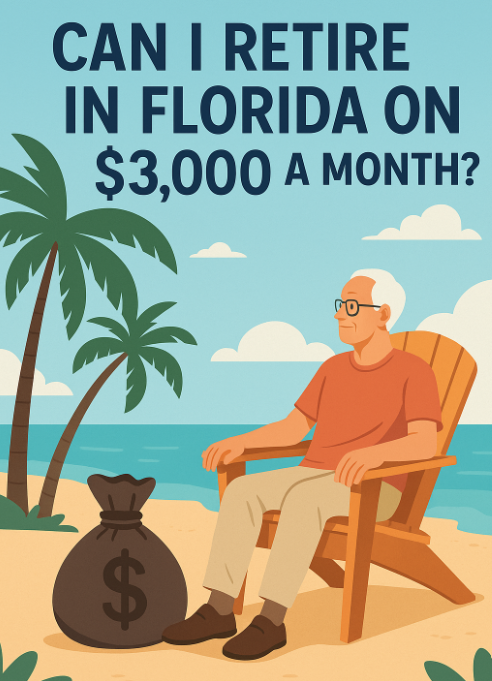
Can I Retire in Florida on $3,000 a Month?

Dreaming of retiring in Florida on a $3,000 monthly budget? You’re not alone. The Sunshine State’s beaches, warm weather, and tax-friendly policies attract retirees from all over. But can you truly enjoy retirement in Florida with $3,000 a month? Let’s break down the facts, explore your options, and help you decide if this budget can deliver your dream retirement.


Florida’s Cost of Living: The Big Picture

Florida’s cost of living is slightly above the national average, but it varies widely from city to city. While some areas are expensive, there are plenty of places where retirees comfortably live on $3,000 a month or less. The absence of state income tax, estate tax, and inheritance tax also helps stretch your retirement dollars further.


What Does $3,000 a Month Cover?

A $3,000 monthly budget gives you $36,000 per year to spend. Here’s what you’ll need to cover:

  • Housing (rent or mortgage, property taxes, insurance)
  • Utilities (electricity, water, internet)
  • Groceries and household supplies
  • Healthcare and insurance premiums
  • Transportation (car, gas, insurance, or public transit)
  • Entertainment, dining out, and recreation
  • Miscellaneous expenses (clothing, personal care, emergencies)

The key to success is choosing the right location and managing your lifestyle expectations.


Best Florida Cities for Retiring on $3,000 a Month

Not all Florida cities are created equal when it comes to affordability. Some regions offer a much lower cost of living, making your $3,000 monthly budget go further. Here are some top picks where retirees are living well on a modest income:

1. Panama City

  • Average Rent: $1,044
  • Median Home Price: $204,200
  • Why It Works: Panama City’s beautiful beaches and active retiree community make it a favorite. Excluding housing, average expenses for a family of four are about $2,500, so a retired couple can easily fit under $3,000 a month with careful budgeting.

2. Cocoa

  • Average Rent: $1,110
  • Median Home Price: $299,700
  • Why It Works: Cocoa offers a laid-back beach lifestyle with a cost of living around $3,100 per month for singles. The historic downtown and proximity to cruise ports add to the appeal.

3. Pensacola

  • Average Rent: $1,120
  • Median Home Price: $240,000
  • Why It Works: Pensacola’s white-sand beaches and vibrant local events make it a fun and affordable spot. The average cost of living for a single retiree is $3,200, so couples can do even better with shared expenses.

4. Allentown

  • Average Rent: $1,100
  • Median Home Price: $210,200
  • Why It Works: This small panhandle community offers a quiet lifestyle at about $3,167 per month. If you crave peace and small-town charm, Allentown could be your spot.

More Affordable Cities

Other cities where you can potentially live on $3,000 a month include Deerfield Beach, Fort Myers, Coconut Creek, Boca Raton, and more. The key is to look for places with reasonable rents, lower property taxes, and good access to healthcare and amenities.


Breaking Down the Monthly Budget

Let’s see how your $3,000 a month could be allocated in a typical affordable Florida city:

Expense CategoryEstimated Monthly Cost
Housing (Rent)$1,100
Utilities$200
Groceries$400
Healthcare$500
Transportation$200
Entertainment/Other$400
Total$2,800

This budget leaves a little wiggle room for unexpected costs, emergencies, or occasional splurges. If you own your home outright or share housing with family, you could save even more.


What Makes Florida Affordable for Retirees?

You get several financial advantages by retiring in Florida:

  • No state income tax: Your Social Security, pension, and retirement account withdrawals are not taxed by the state.
  • No estate or inheritance tax: You can pass on your assets without extra state taxes.
  • Lower healthcare costs: Florida’s large retiree population means more healthcare options and competitive pricing, especially in areas with many 55+ communities.
  • Active-adult communities: Many 55+ communities offer amenities, security, and social activities, often for less than you’d pay in a traditional neighborhood.

Tips to Make Your Budget Work

Living on $3,000 a month in Florida is possible if you plan carefully. Here’s how to make it work:

  • Choose your location wisely: Focus on smaller cities or inland areas where housing is more affordable.
  • Consider renting: Renting can be cheaper and less risky than buying, especially if you’re new to Florida.
  • Downsize: A smaller home or apartment means lower utility bills, less maintenance, and more money for fun.
  • Use senior discounts: Florida businesses cater to retirees, so take advantage of discounts on dining, entertainment, and travel.
  • Stay healthy: Good health helps you avoid costly medical bills. Florida’s climate is great for walking, swimming, and staying active.
  • Watch for hidden costs: Homeowners’ insurance, flood insurance, and HOA fees can add up. Routine tasks such as HVAC servicing or affordable garage door repair should be factored in when evaluating your monthly expenses. Always check these before committing to a property.

Is $3,000 a Month Enough for a Comfortable Retirement?

The average retired couple in Florida needs about $4,800 a month for a “comfortable and stress-free” lifestyle, according to recent reports. But “comfortable” means different things to different people. If you’re willing to live simply, avoid luxury neighborhoods, and keep a close eye on spending, $3,000 a month can provide a good quality of life in many Florida cities.

You may need to adjust your expectations-think more home-cooked meals, fewer big vacations, and a focus on free or low-cost local activities. But with Florida’s beaches, parks, and year-round sunshine, you’ll have plenty to enjoy.


Frequently Asked Questions

Can I buy a home in Florida on $3,000 a month?

Yes, if you choose a city with lower home prices and property taxes, and you don’t have a large mortgage or high HOA fees. Many retirees opt for condos or manufactured homes to keep costs down.

What about healthcare costs?

Florida offers a wide range of healthcare providers. Medicare covers many needs, but you’ll want to budget for supplemental insurance and out-of-pocket expenses-about $500 per month is a good estimate.

Is it better to rent or buy?

Renting offers flexibility and can be cheaper in some markets. Buying may make sense if you plan to stay long-term and find a good deal. Always compare total monthly costs, including taxes and insurance.

Are there hidden costs I should watch for?

Yes-insurance (especially flood and hurricane), HOA fees, and property taxes can vary widely. Always research these before choosing a home.


Your Florida Retirement on $3,000 a Month

You can retire in Florida on $3,000 a month if you pick the right city, manage your budget, and embrace a simpler lifestyle. Focus on affordable regions like Panama City, Pensacola, Cocoa, and Allentown, and you’ll find it’s possible to enjoy the sunshine, beaches, and vibrant retiree life Florida is famous for—especially in areas known for strong community security.

Remember, your retirement is what you make of it. With smart planning and realistic expectations, you can make your $3,000 a month stretch further and truly enjoy your golden years in the Sunshine State.

Who Is Eligible for the Florida Retirement System?

If you’re wondering whether you qualify for the Florida Retirement System (FRS), you’re not alone. Every year, thousands of Floridians—teachers, police officers, city employees, and more—ask the same question. This guide will walk you through everything you need to know about FRS eligibility, using clear language and real-life examples so you can quickly determine where you stand.


What Is the Florida Retirement System?

The Florida Retirement System (FRS) is a public pension plan that provides retirement, disability, and survivor benefits to employees of state and local government agencies, including school districts, state universities, and many counties and cities. These public workers support the communities they serve, just like many essential local service providers such as a trusted residential and commercial locksmith service that help keep neighborhoods running smoothly.

If you work for a public employer in Florida, there’s a good chance you’re covered by the FRS.

The FRS offers two main retirement plans:

  • Pension Plan: This is a traditional defined benefit plan, where you receive a monthly check based on your salary and years of service.
  • Investment Plan: This is a defined contribution plan, similar to a 401(k), where you and your employer contribute to your retirement account, and your benefit depends on investment performance.

Now, let’s get to the heart of the matter: who is eligible to participate and eventually retire under the FRS?


Who Can Join the Florida Retirement System?

Automatic Membership for Most Public Employees

If you are hired into a “regularly established position” by a state agency, county government, public school district, state university, or participating city, you are automatically enrolled in the FRS. This applies whether you are full-time or part-time, as long as your position is officially recognized and not temporary or seasonal.

You are assigned to one of five membership classes based on your job:

  • Regular Class (most employees)
  • Special Risk Class (law enforcement, firefighters, etc.)
  • Special Risk Administrative Support Class
  • Elected Officers’ Class
  • Senior Management Service Class

Who Is Not Eligible?

Not every public worker is eligible. Here are some exceptions:

  • Employees in temporary, seasonal, or student positions
  • Independent contractors
  • Certain elected officials who opt out or are ineligible by statute
  • Employees covered by other mandatory retirement plans, such as the State University System Optional Retirement Program (SUSORP) or Senior Management Service Optional Annuity Program (SMSOAP)

If you’re unsure whether your position qualifies, your human resources office or the FRS Division of Retirement can clarify your status.


What Are the Requirements to Retire Under FRS?

Getting into the FRS is one thing—actually qualifying for retirement benefits is another. You need to meet two main criteria: vesting and normal retirement age or service.

1. Vesting: Earning the Right to a Benefit

Vesting means you have earned the right to receive a retirement benefit in the future, even if you leave your job. For most FRS members, vesting is based on your hire date:

  • If you joined FRS before July 1, 2011: You are vested after 6 years of creditable service.
  • If you joined FRS on or after July 1, 2011: You are vested after 8 years of creditable service.

This applies to both the Pension Plan and the Investment Plan, though the details of how benefits are calculated differ.

2. Normal Retirement Age or Service

Once you’re vested, you also need to reach the “normal retirement” age or years of service to receive your full, unreduced benefit. The rules depend on your membership class and when you joined:

Regular Class Employees

  • Joined before July 1, 2011:
    • Age 62 with at least 6 years of service, or
    • 30 years of service at any age
  • Joined on or after July 1, 2011:
    • Age 65 with at least 8 years of service, or
    • 33 years of service at any age

Special Risk Class (Law Enforcement, Firefighters, etc.)

  • Joined before July 1, 2011:
    • Age 55 with at least 6 years of service, or
    • 25 years of special risk service at any age
  • Joined on or after July 1, 2011:
    • Age 60 with at least 8 years of service, or
    • 30 years of special risk service at any age

Elected Officers and Senior Management

  • Rules are similar but may have slight variations based on position and class. Check with your HR department or the FRS for specifics.

Early Retirement

You can retire earlier than the normal retirement age, but your monthly benefit will be reduced by 5% for each year you retire before the normal retirement age.


What About the FRS Investment Plan?

If you choose the Investment Plan, vesting is faster:

  • You are vested after 1 year of service for your own contributions.
  • Employer contributions vest after 1 year of service (for most employees), but check your plan documents for details.

You can access your account balance when you leave FRS-covered employment, but if you withdraw funds before reaching normal retirement age, you may face tax penalties.


Special Programs: DROP and Reemployment

Deferred Retirement Option Program (DROP)

Once you reach normal retirement eligibility, you can participate in DROP, which lets you “retire” while still working for up to 96 months. Your retirement benefits accumulate in a special account while you continue to earn your salary.

Returning to Work After Retirement

If you retire and then return to FRS-covered employment, there are rules about when and how you can rejoin the system. Generally, you must wait at least 6 months after retirement before returning to work in an FRS-eligible position, or your benefits may be suspended.


How Do You Know If You’re Eligible?

Here’s a quick checklist:

  • Are you employed in a regularly established position by a Florida state, county, city, or school district?
  • Are you not excluded by law (e.g., temporary, seasonal, or student worker)?
  • Have you met the vesting requirement based on your hire date?
  • Have you reached the normal retirement age or years of service for your membership class?

If you answered yes to all of these, congratulations—you’re eligible for FRS retirement benefits!


Frequently Asked Questions

Can part-time employees join the FRS?

Yes, as long as your position is regularly established and not temporary or seasonal.

Are charter school employees eligible?

If the charter school participates in the FRS, then yes. Not all charter schools do, so check with your employer.

Do university employees participate in the FRS?

Most do, but some may be covered by the State University System Optional Retirement Program (SUSORP) instead.

What if I worked for multiple FRS employers?

Your service time accumulates across all participating employers.

How much do I have to contribute?

Most employees contribute 3% of their gross salary, deducted pre-tax from your paycheck. Your employer also contributes a percentage, which varies by class.


Summary Table: FRS Eligibility at a Glance

Employee TypeVesting (Joined Before 7/1/2011)Vesting (Joined After 7/1/2011)Normal Retirement Age/Service
Regular Class6 years8 yearsAge 62/30 years (before 7/1/2011); Age 65/33 years (after 7/1/2011)
Special Risk Class6 years8 yearsAge 55/25 years (before 7/1/2011); Age 60/30 years (after 7/1/2011)
Elected Officers/Senior Mgmt6 years8 yearsVaries by position and class
Investment Plan1 year1 yearAccess at separation, penalties may apply if early

Retire in Florida

If you’re a public employee in Florida, you’re probably already part of the FRS. The key factors for eligibility are your job type, your hire date, and your years of service. Once you’re vested and reach the normal retirement age or service, you can look forward to a secure retirement benefit.

Still have questions? Your HR office or the FRS Division of Retirement can provide personalized answers. For most people, joining the FRS is automatic, but understanding when you can retire and how much you’ll receive is where you’ll want to pay attention.

Retirement planning doesn’t have to be complicated—especially when you know you’re eligible for one of the most robust public pension systems in the country. So, check your hire date, count your years of service, and start dreaming about your Florida retirement!

Why Do People Move to Florida for Retirement?

Florida, often referred to as the “Sunshine State,” has long been a top choice for retirees. From financial benefits to lifestyle perks, Florida offers a unique combination of advantages that make it irresistible for those looking to enjoy their golden years. If you’re wondering why so many people choose Florida for retirement, let’s dive into the key reasons.

1. Tax-Friendly Policies for Retirees

One of the biggest draws for retirees is Florida’s tax-friendly environment. The state offers significant financial advantages that help stretch retirement savings further:

  • No State Income Tax: Florida does not tax personal income, which means your Social Security benefits, pensions, IRAs, and 401(k) withdrawals are untouched by state taxes.
  • No Inheritance or Estate Taxes: Retirees can pass on their wealth without worrying about additional state taxes.
  • Lower Property Taxes: While property insurance can be pricey due to hurricanes, property taxes in Florida are relatively low compared to other states.

These tax policies allow retirees to maximize their income and enjoy peace of mind when planning their financial future.

2. Year-Round Warm Weather

Florida’s subtropical climate is a dream come true for those who dislike cold winters. With sunshine almost every day of the year, retirees can enjoy outdoor activities year-round. Whether it’s golfing, fishing, or simply taking a stroll on the beach, the warm weather makes staying active easy and enjoyable.

Some highlights include:

  • Mild winters with average temperatures ranging from 60°F to 70°F.
  • Endless opportunities for outdoor recreation like boating, hiking, and beachcombing.
  • No need to shovel snow or deal with icy roads!

For many retirees, the promise of sunny days and warm evenings is reason enough to make Florida home.

3. Beautiful Beaches and Outdoor Activities

Florida boasts over 1,200 miles of coastline and some of the most stunning beaches in the world. Retirees can relax on white sandy shores or explore vibrant coastal towns. Popular beach destinations include Clearwater Beach, Naples, and Sarasota.

Beyond beaches, Florida offers:

  • World-class golf courses for enthusiasts at every skill level.
  • National parks like the Everglades for nature lovers.
  • Fishing spots along both the Atlantic Ocean and Gulf of Mexico.

The abundance of outdoor activities ensures there’s always something fun to do in Florida.

4. Vibrant Retirement Communities

Florida is home to some of the largest and most active retirement communities in the U.S., such as The Villages. These communities offer more than just housing—they provide a built-in social network and endless amenities like fitness centers, pools, and organized events.

Benefits of retirement communities include:

  • Opportunities to meet like-minded individuals.
  • Organized activities such as yoga classes, book clubs, and group outings.
  • Safe environments designed specifically for seniors.

Living in these communities fosters a sense of belonging and keeps retirees socially engaged.

5. High-Quality Healthcare Facilities

Access to excellent healthcare is critical during retirement, and Florida delivers on this front. The state is home to top-rated hospitals and specialized medical facilities catering to seniors’ needs.

Key points about healthcare in Florida:

  • World-class hospitals such as Cleveland Clinic Florida and Mayo Clinic in Jacksonville.
  • A wide range of specialists focused on geriatric care.
  • Proximity to healthcare facilities in most cities and towns.

Retirees can feel confident knowing they’ll have access to quality medical care if needed.

6. Affordable Cost of Living (in Many Areas)

While some cities like Miami have higher living costs, many parts of Florida remain affordable for retirees. Housing options range from budget-friendly condos to luxury waterfront homes. As retirees settle into new neighborhoods, many also choose to improve home security for lock replacements, rekeying, and smart lock installations.

Affordable areas include:

  • Ocala: Known for its slower pace and lower housing costs.
  • Lakeland: A charming city with affordable living and proximity to Orlando and Tampa.
  • Gainesville: Offers a mix of cultural attractions and affordable housing.

The ability to find a home that fits your budget makes Florida an attractive option for retirees from all income levels.

7. Endless Entertainment Options

Florida isn’t just about beaches—it’s also packed with entertainment options that cater to all interests:

  • Theme parks like Disney World and Universal Studios are perfect for visiting family members.
  • Cultural attractions such as museums, art galleries, and theaters in cities like Sarasota and Miami.
  • Sports events ranging from professional football games to spring training baseball.

Whether you’re an art lover or sports enthusiast, there’s always something exciting happening in Florida.

8. A Built-In Community of Retirees

With over 3.5 million residents aged 65 or older, Florida has one of the largest senior populations in the U.S. This creates a welcoming environment where retirees can connect with others who share similar life experiences.

Social benefits include:

  • Opportunities to form friendships through clubs or community events.
  • Senior-focused activities like dance classes or group travel excursions.
  • A sense of camaraderie among neighbors who understand your lifestyle needs.

You’ll never feel out of place in a state where so many people are enjoying retirement alongside you!

9. Easy Travel Options

Florida’s location makes it easy for retirees to travel domestically or internationally:

  • Major airports like Miami International Airport and Orlando International Airport offer convenient flight options.
  • Cruise ports in cities like Fort Lauderdale make it simple to embark on Caribbean adventures.
  • Proximity to other southeastern states allows for quick road trips.

Whether you’re visiting family up north or planning a tropical getaway, traveling from Florida is hassle-free.

10. A Relaxed Lifestyle

Finally, what truly sets Florida apart is its laid-back atmosphere. The state’s culture encourages relaxation and enjoying life at your own pace. From sipping coffee by the beach to exploring quaint coastal towns, Florida offers a lifestyle that feels like an endless vacation.

Moving to Florida

People move to Florida for retirement because it checks all the boxes—financial savings, beautiful weather, access to healthcare, vibrant communities, and endless entertainment options. Whether you’re seeking relaxation or adventure during your golden years, Florida has something special waiting for you. Safety and security are also top priorities for many retirees, which is why having access to reliable home security solutions can provide peace of mind when settling into a new home. So pack your bags (and sunscreen) because life in the Sunshine State might just be your perfect next chapter!

The written content on this page was generated by ChatGPT.

Can I live off 50k a year in Florida?

Florida’s sunny beaches and tax-friendly policies make it a popular choice, but living on $50k requires smart budgeting. Let’s break down housing, expenses, and lifestyle tips to help you thrive.

1. Housing Costs: Rent vs. Buy

Housing is Florida’s biggest expense. Here’s what you’ll face:

Renting

  • Average rent: $1,291/month for a one-bedroom (2024), rising to $1,350 in 2025.
  • Low-cost areas: Winter Haven, Gainesville, or Jacksonville offer rents closer to $950/month.
  • High-cost cities: Miami, Tampa, or Orlando average $1,600–$2,000/month.

Buying a Home

  • Median home price: $420,000 (2024), with modest price drops expected in 2025.
  • Mortgage payments: A $350k home with a 20% down payment and 6% interest could cost ~$1,800/month. Don’t forget additional costs like property taxes, insurance, and garage door maintenance or upgrades.

Key Takeaway: Renting in affordable cities or splitting costs with roommates is your best bet on $50k.

2. Monthly Expenses Beyond Housing

After housing, here’s how your remaining income might look:

ExpenseMonthly CostDetails
Utilities$250–$350Water, gas, electricity, and internet.
Groceries$250–$400Florida households spend slightly above the national average.
Transportation$50–$150Gas, insurance, or public transit (cheaper in walkable cities).
Healthcare$621/monthSilver plan premiums (7% higher in 2025).
Entertainment$200–$300Beach trips, dining, or streaming services.

Total estimated monthly expenses: $1,500–$2,000 (excluding housing).

3. Can You Afford $50k?

Let’s crunch the numbers:

  • Take-home pay: ~$3,570/month after taxes.
  • Housing: $950–$1,600/month.
  • Remaining income: $1,970–$2,620/month for utilities, groceries, and savings.

Yes, you can afford it if you:

  1. Choose low-cost housing (e.g., Winter Haven or Gainesville).
  2. Avoid debt (no car loans, credit cards, or student loans).
  3. Prioritize needs over wants (skip dining out, use public transit).

But watch out for:

  • Childcare costs: Daycare averages $1,000/month.
  • Unexpected expenses: Car repairs, medical bills, or hurricane prep can add up quickly, along with emergency home needs like 24-hour residential locksmith services if you’re locked out or need urgent lock repairs.

4. Lifestyle Adjustments for Success

Living on $50k in Florida requires flexibility:

Save Money on Housing

  • Roommates: Split a $1,200/month apartment to pay $600 each.
  • Suburbs: Cities like Lakeland or Ocala offer lower rents than coastal areas.

Cut Other Costs

  • Groceries: Buy in bulk, use coupons, and cook at home.
  • Transportation: Use public transit or a fuel-efficient car.
  • Entertainment: Free beaches, parks, and community events.

Build an Emergency Fund
Aim for 3–6 months of savings to cover emergencies. Even $100/month adds up.

5. Is Florida Right for You?

Florida’s pros and cons:

Pros
✅ No state income tax (keep more of your $50k).
✅ Affordable healthcare: Premiums are 4% below the national average.
✅ Job growth: Cities like Tampa and Orlando have strong economies.

Cons
❌ High housing costs in popular cities.
❌ Hurricane risks: Insurance premiums are steep.

Final Verdict

Yes, you can live comfortably on $50k in Florida if you:

  1. Pick affordable housing.
  2. Budget carefully (use the 50/30/20 rule: 50% needs, 30% wants, 20% savings).
  3. Avoid debt and build a safety net.

Florida’s sunshine and opportunities make it worth the effort—just plan smartly! 🌴

How Long Do You Have to Work for the State of Florida to Get Retirement?

If you’re working for the state of Florida and wondering how long you need to stay employed to qualify for retirement benefits, you’re in the right place. Florida offers a robust retirement system for its employees, but the eligibility requirements depend on when you were hired and your job classification. Let’s break it all down so you can plan your future with confidence.

Understanding the Florida Retirement System (FRS)

The Florida Retirement System (FRS) is one of the largest public retirement plans in the United States. It provides two main options for employees: the Pension Plan (a defined benefit plan) and the Investment Plan (a defined contribution plan). Your eligibility for retirement benefits depends on your years of service, your age, and when you joined the system.

How Many Years Do You Need to Work?

The number of years you need to work to qualify for retirement benefits varies based on when you were hired and your job classification. Here’s a detailed look:

Vesting Requirements

To qualify for retirement benefits under the FRS Pension Plan, you must first become “vested.” Vesting means you’ve worked long enough to earn the right to receive retirement benefits in the future. The vesting rules are:

  • Hired on or after July 1, 2011: You need 8 years of creditable service to become vested.
  • Hired between July 1, 2001, and June 30, 2011: You need 6 years of creditable service.
  • Hired before July 1, 2001: Vesting requirements vary:
    • Regular employees: 10 years of creditable service.
    • Senior Management Service Class: 7 years.
    • Elected officials: 8 years.

Normal Retirement Eligibility

Once vested, you’ll need to meet additional requirements to retire with full benefits. These depend on your hire date and job classification:

Regular Class Employees

  • Hired on or after July 1, 2011:
    • Age 65 with at least 8 years of creditable service.
    • Or after completing 33 years of creditable service at any age.
  • Hired before July 1, 2011:
    • Age 62 with at least 6 years of creditable service.
    • Or after completing 30 years of creditable service at any age.

Special Risk Class Employees

This class includes law enforcement officers, firefighters, and similar roles:

  • Hired on or after July 1, 2011:
    • Age 60 with at least 8 years of special risk service.
    • Or after completing 30 years of total creditable service.
  • Hired before July 1, 2011:
    • Age 55 with at least 6 years of special risk service.
    • Or after completing 25 years of special risk service at any age.

Early Retirement Options

If you don’t meet the normal retirement requirements but still want to retire early, you can do so under certain conditions. However, your monthly benefit will be reduced by 5% for every year you retire before reaching normal retirement age. This reduction accounts for the longer period over which your benefits will be paid.

What About DROP?

The Deferred Retirement Option Program (DROP) is another option available once you meet normal retirement eligibility. DROP allows you to “retire” while continuing to work and receive a salary. During this time, your monthly retirement benefits are deposited into a savings account that earns interest. You can participate in DROP for up to five years.

Here’s how it works:

  • You must meet normal retirement age or service requirements first.
  • DROP participants continue working while their pension accumulates in a separate account.
  • At the end of DROP participation, you receive a lump sum and begin receiving monthly pension payments.

Key Takeaways

Here’s a quick summary of what you need to know about qualifying for retirement in Florida:

  • To become vested:
    • Work at least 6–10 years, depending on your hire date and classification.
  • To retire with full benefits:
    • Meet age and service requirements (e.g., age 65 with 8 years or age 62 with 6 years).
  • Early retirement is possible but comes with reduced monthly payments.
  • DROP offers a unique way to continue working while earning retirement benefits.

Planning for retirement can feel overwhelming, but understanding these rules is a great first step. Whether you’re just starting your career or nearing the finish line, knowing how long you need to work helps ensure a secure financial future.

What are the Requirements to Retire in Florida?

Are you dreaming of swapping your snow boots for flip-flops? Do you envision spending your golden years basking in the Florida sunshine? If so, you’re likely wondering about the requirements to retire in the Sunshine State. Retiring in Florida involves understanding the specifics of the Florida Retirement System (FRS), eligibility criteria, and other important considerations. This guide will walk you through everything you need to know to make your retirement dreams a reality.

Understanding the Florida Retirement System (FRS)

The Florida Retirement System (FRS) is a state-run program that provides retirement benefits to public employees. It has been serving teachers, firefighters, law enforcement officers, and state and local government employees for over 50 years. Participation in the FRS is automatic for eligible employees, ensuring a secure retirement for those who dedicate their careers to public service.

Pension Plan

The Pension Plan is a traditional, defined benefit plan. Here, employees earn a guaranteed monthly benefit based on their years of service, salary, and age at retirement. This plan offers predictability, making it a popular choice for those who value stability. To maximize benefits, longer service is required, rewarding those who commit to a long-term career in public service.

Investment Plan

The Investment Plan is a defined contribution plan. Both employees and employers contribute a percentage of the employee’s salary into an account, which is then invested. The retirement benefit depends on the performance of these investments. This plan offers more flexibility and portability, allowing employees to move their benefits if they change jobs.

Choosing a Plan

When starting their employment, participants typically choose between the Pension Plan and the Investment Plan. There is usually a one-time opportunity to switch plans later in their careers, so choose wisely.

Retirement Age and Eligibility in Florida

Eligibility for retirement benefits in the FRS depends on whether you are enrolled in the Pension Plan or the Investment Plan. Each plan has different rules about when employees can retire and how their benefits are calculated.

Pension Plan Retirement Age and Eligibility

For those in the FRS Pension Plan, eligibility for full retirement benefits is based on either age or years of service.

Regular Class Employees:

  • Hired Before July 1, 2011: You can retire with full benefits at age 62 or after 30 years of service, whichever comes first. If you retire early at age 55 with at least six years of service, your benefits will be reduced by 5% for each year before the normal retirement age of 62.
  • Hired After July 1, 2011: You must wait until age 65 or complete 33 years of service to retire with full benefits.

Special Risk Class Employees:

  • This includes law enforcement officers, firefighters, and other high-risk jobs. You can retire at age 55 with at least six years of service, or at age 52 after 25 years of service and up to four years of active-duty military service. Early retirement with reduced benefits is also an option.

Early Retirement Considerations

Early retirement is available for FRS Pension Plan participants. However, keep in mind that benefits are reduced by 5% per year before the normal retirement age. This can significantly decrease your monthly pension payments over the long term.

Vesting Requirements in FRS

Vesting refers to the minimum length of service required to be eligible for retirement benefits. Here’s a breakdown of the vesting requirements based on when you were enrolled:

  • Enrolled on or after July 1, 2011: Requires 8 years of creditable service.
  • Enrolled on or after July 1, 2001, through June 30, 2011: Requires 6 years of creditable service.
  • Enrolled before July 1, 2001: Requires 7 years of creditable service for Senior Management Service Class, 8 years for Elected Officials, and 10 years for Regular and Special Risk Classes.

If you were not actively employed as of July 1, 2001, you must complete one year of service with a participating FRS employer in a retirement-eligible position to qualify for the 6-year vesting provision. If you reach 10 years of service before the work year is complete, you will be considered vested at 10 years of service.

Other Important Retirement Considerations

Proof of Age

When applying for retirement, you must provide proof of age. The FRS will accept a legible copy of one of the following documents:

  • Birth certificate
  • Delayed birth certificate
  • Census report more than 30 years old
  • Life insurance policy more than 30 years old
  • Certificate of naturalization
  • Valid, unexpired U.S. passport
  • Florida driver’s license issued after January 1, 2010, that indicates compliance with the federal REAL ID Act

If you cannot furnish any of the above, a legible copy of a document from two of the following categories will be required.

Financial Planning

Retirement planning involves more than just understanding the FRS. Consulting with a residential locksmith can ensure your home’s security during your transition, while a financial advisor can provide personalized guidance based on your financial situation and goals. They can help you determine when retirement makes the most sense for you, ensuring a comfortable and secure future.

Retiring in Florida can be a rewarding experience. By understanding the requirements of the Florida Retirement System, including eligibility, vesting, and other considerations, you can confidently plan your retirement. Take the time to explore your options, consult with experts, and make informed decisions to ensure a happy and fulfilling retirement in the Sunshine State.

What is the Nicest Part of Florida to Retire In?

Florida is often considered a paradise for retirees, offering a warm climate, beautiful beaches, and vibrant communities. When you’re thinking about where to retire in Florida, you want a place that combines relaxation, entertainment, and convenience. Here’s a guide to help you find the perfect spot.

Why Florida?

You might wonder why Florida is so popular among retirees. Here are a few reasons:

  • Climate: Florida’s warm weather year-round is perfect for outdoor activities.
  • Beaches: With numerous stunning beaches, you can enjoy sunsets and ocean views.
  • Community: Many retirement communities offer social activities and events.

Top Retirement Spots in Florida

Let’s explore some of the nicest parts of Florida for retirement:

1. Naples

Naples is known for its luxurious lifestyle and beautiful beaches. It offers:

  • Luxury Living: Upscale neighborhoods with high-end amenities.
  • Arts and Culture: Vibrant arts scene with galleries and performances.
  • Golfing: World-class golf courses for enthusiasts.

While it might not be the cheapest option, Naples provides a sophisticated retirement experience.

2. Sarasota

Sarasota is famous for its arts scene and stunning beaches like Siesta Key. It offers:

  • Cultural Activities: Opera, museums, and theaters for art lovers.
  • Affordable Living: Relatively affordable compared to larger cities.
  • Beach Life: Enjoy outdoor activities and relaxation by the sea.

Sarasota is perfect for those who want a mix of culture and coastal charm.

3. The Villages

The Villages is the largest retirement community in Florida, offering:

  • Active Lifestyle: Over 50 golf courses and numerous social clubs.
  • Convenience: Self-contained with shopping, healthcare, and entertainment.
  • Community: A vibrant and supportive environment for seniors.

It’s ideal for active retirees who want a lively community.

4. Clearwater

Clearwater is a picturesque coastal town with:

  • Affordable Living: One of the cheapest places to retire in Florida.
  • Beach Life: Stunning beaches and a relaxed atmosphere.
  • Healthcare: Excellent medical facilities for peace of mind.
  • Security & Convenience: Whether settling into a new home or ensuring your property is secure, a trusted Clearwater locksmith can help with everything from lock installations to emergency services.

It’s perfect for those seeking a budget-friendly yet beautiful retirement spot.

5. Fort Lauderdale

Fort Lauderdale offers a mix of urban and coastal living:

  • Waterfront Living: Known as the “Venice of America” for its waterways.
  • Arts and Culture: Thriving arts scene with galleries and performances.
  • Recreational Activities: Boating, golfing, and cultural festivals.

It’s great for retirees who want a sophisticated lifestyle with plenty of activities.

6. St. Augustine

St. Augustine is the oldest city in the US, offering:

  • Historical Charm: Rich history with landmarks and cultural events.
  • Peaceful Environment: A serene setting for a relaxed lifestyle.
  • Affordable Living: Affordable housing options without sacrificing charm.

It’s ideal for those who love history and a slower pace.

7. Tampa

Tampa combines urban excitement with coastal relaxation:

  • Affordable Living: Offers a range of housing options at various prices.
  • Cultural Activities: Arts scene, sports teams, and world-class dining.
  • Healthcare: Excellent medical facilities for retirees.
  • Convenience: In a bustling city like Tampa, a reliable locksmith service is readily available. Whether you misplace your keys at a theme park or get locked out of your retirement home, help is just a call away, ensuring your plans aren’t derailed.

Tampa is perfect for those who want an active yet affordable retirement.

8. Orlando

Orlando is known for its theme parks and entertainment:

  • Affordable Living: Low cost of living with various housing options.
  • Family-Friendly: Great for hosting visiting grandchildren.
  • Cultural Events: Rich art and cultural scene with festivals.
  • Home Security & Convenience: With many retirees settling in the area, having access to a trusted Orlando locksmith ensures peace of mind, whether for new lock installations or emergency services.

Orlando is ideal for retirees who want an active lifestyle with plenty of attractions.

9. Fort Myers

Fort Myers offers a peaceful and affordable retirement:

  • Nature Preserves: Stunning beaches and nature areas for outdoor activities.
  • Community: Welcoming community with excellent healthcare facilities.
  • Housing Options: From affordable condos to luxury waterfront properties.

It’s perfect for those seeking a relaxed yet active retirement lifestyle.

10. Port Charlotte

Port Charlotte is a hidden gem on the Gulf Coast:

  • Water Activities: Access to over 165 miles of waterways.
  • Community Living: Gated communities like Kings Gate offer amenities like golf courses and social events.
  • Affordable Housing: Prices start in the $200,000s for a comfortable lifestyle.

It’s great for retirees who love water activities and a small-town feel.

Choosing the Right Spot for You

When deciding where to retire in Florida, consider what matters most to you:

  • Budget: Look for affordable options like Clearwater or Fort Myers.
  • Lifestyle: If you’re active, The Villages or Naples might be perfect.
  • Culture: Sarasota or Fort Lauderdale offer vibrant arts scenes.

Ultimately, the nicest part of Florida for retirement is the one that fits your lifestyle and preferences.

Tips for Retiring in Florida

Here are a few tips to keep in mind:

  • Research Communities: Look into retirement communities that offer amenities you enjoy.
  • Visit Before Moving: Experience the area firsthand to ensure it’s right for you.
  • Plan Your Finances: Consider the cost of living and healthcare expenses.

By following these tips, you can find your perfect retirement haven in Florida.

Florida offers a diverse range of retirement options, from luxurious Naples to vibrant Sarasota and peaceful Fort Myers. Whether you’re looking for affordability, cultural activities, or an active lifestyle, there’s a place in Florida that’s just right for you. Take your time to explore these options, and you’ll find the perfect spot to enjoy your golden years.

What are the best activities for retirees in Florida?

You’re thinking of retiring in Florida? That’s a great choice! Florida offers not just high quality home services like locksmiths and garage door services, but also vibrant lifestyle with plenty of activities tailored just for you. Let’s explore the best ways to enjoy your retirement in the Sunshine State.

Exploring Outdoor Activities

Florida is known for its beautiful landscapes and outdoor adventures. Here are some activities you might enjoy:

  • Beach Life: Soak up the sun at Daytona Beach or enjoy the scenic views of Clearwater Beach. These spots are perfect for relaxation and family gatherings.
  • Everglades National Park: Use your National Senior Parks Pass to explore this vast subtropical wilderness. You can take guided tours or paddle trips to see wildlife up close.
  • Gardening: Florida’s climate is ideal for gardening year-round. Join a local gardening club to connect with nature and like-minded people.

Cultural and Social Activities

Florida offers a rich cultural scene and plenty of opportunities to socialize:

  • Antiquing: Visit Mount Dora for its antique fairs and explore unique vintage items. It’s a great way to spend time with friends and family.
  • Arts and Culture: Engage in arts and crafts activities or visit museums like the Museum of Illusions in Orlando.
  • Social Clubs: Many senior communities have social clubs where you can meet new people and make friends.

Adventure and Leisure

If you’re looking for something more adventurous, consider these options:

  • Boating and Sailing: Rent a kayak or join a boating club to enjoy Florida’s waterways. You can even take sailing lessons.
  • Fishing Charters: Book a fishing charter to explore Florida’s rich marine life. It’s a fun way to spend time outdoors.
  • Cruises: Take advantage of senior discounts on cruises from Florida’s ports. Explore the Caribbean or enjoy a sunset sail.

Staying Active and Engaged

Staying active is key to a happy retirement. Here are some ways to keep engaged:

  • Golfing: Florida has many beautiful golf courses. Improve your game at places like Eagle Dunes Golf Club.
  • Volunteering: Get involved with local organizations or gardens like Mounts Botanical Garden in West Palm Beach.
  • Dezerland Park: Visit this entertainment complex in Orlando for go-karting, bowling, and more fun activities.

Conclusion

Florida offers a diverse range of activities for retirees, from outdoor adventures to cultural experiences. Whether you’re looking to relax, stay active, or meet new people, there’s something for everyone in the Sunshine State. So, pack your bags and enjoy your retirement in Florida!

Should You Move to Florida When You Retire?

Are you considering Florida as your retirement haven? Let’s explore the pros and cons to help you decide.

Pros of Retiring in Florida

  1. No State Income Tax: Florida doesn’t charge state income tax, which is a huge plus for retirees living on fixed incomes.
  2. Lower Cost of Living: Overall, Florida offers a lower cost of living compared to many other states, making it easier to stretch your retirement dollars.
  3. Warm Weather: Enjoy sunny days year-round, perfect for outdoor activities like golfing or simply enjoying nature.
  4. World-Class Beaches: With numerous beautiful beaches, you’ll never be far from a relaxing day by the ocean.

Cons of Retiring in Florida

  1. High Property Insurance: Due to the risk of hurricanes, property insurance can be quite expensive, especially in coastal areas.
  2. Natural Disasters: Florida is prone to hurricanes and other severe weather events, which can be stressful and costly.
  3. Crowds and Tourists: Popular areas can be crowded, especially during peak tourist seasons.

Financial Considerations

  1. Homestead Exemption: Florida offers a homestead exemption that can reduce your property taxes significantly.
  2. Sales Tax: While there’s no income tax, Florida has a 6% sales tax, which can add up over time.

Best Places to Live in Florida

If you decide to retire in Florida, here are some of the best places to consider:

  1. Sarasota: Known for its cultural scene and beautiful beaches.
  2. Naples: Offers a relaxed atmosphere with plenty of outdoor activities.
  3. The Villages: A popular retirement community with many amenities.
  4. Dunedin: A charming coastal town with a welcoming community, scenic waterfront, and thriving local businesses. It’s perfect for those who enjoy a relaxed yet vibrant lifestyle.

Making the Decision

Ultimately, whether Florida is right for you depends on your priorities. If you value warm weather and lower taxes, it might be perfect. However, if you’re concerned about natural disasters or crowds, you might want to explore other options.

A Closer Look at Florida’s Pros

Tax Benefits

Florida’s lack of state income tax is a significant advantage for retirees. This means you won’t have to pay state taxes on your retirement income, including Social Security benefits, pensions, and withdrawals from retirement accounts like 401(k)s and IRAs. Additionally, Florida does not have estate or inheritance taxes, which can further protect your assets.

Cost of Living

The cost of living in Florida is generally lower than in many other states. Housing, food, and healthcare costs are typically more affordable, making it easier to maintain your lifestyle on a fixed income. However, certain areas, especially popular tourist destinations like Miami and Orlando, can be more expensive.

Homestead Exemption

If you decide to buy a home in Florida, the homestead exemption can provide significant financial benefits. This exemption allows homeowners to exclude up to $50,000 of their primary residence’s assessed value from property taxes. While property taxes can still be relatively high, this exemption helps mitigate some of the costs.

A Closer Look at Florida’s Cons

Natural Disasters

Florida is known for its susceptibility to hurricanes and other severe weather events. These natural disasters can be stressful and costly, especially if you live in a coastal area. Property damage and displacement are real concerns, and the emotional toll should not be underestimated.

High Property Insurance

Due to the risk of hurricanes, property insurance in Florida can be quite expensive. In fact, Florida has some of the highest average home insurance costs in the U.S., with rates expected to rise over time. This is a significant financial consideration for retirees who may be living on a fixed income. In hurricane-prone areas like Hialeah, garage door repair is an essential service that can help protect homes from storm damage and costly repairs. Regular maintenance ensures your property stays secure and prepared for extreme weather conditions.

Crowds and Tourists

While Florida’s warm weather and beautiful beaches are attractive, they also draw large crowds of tourists. This can make popular areas feel crowded and chaotic, especially during peak seasons. If you prefer a more relaxed environment, you might find some areas overwhelming.

Best Places to Retire in Florida

If you decide that Florida is the right fit for you, here are some of the best places to consider:

  1. Sarasota: Known for its vibrant cultural scene, beautiful beaches, and a variety of outdoor activities, Sarasota is a popular choice for retirees. It offers a mix of urban amenities and natural beauty, making it an ideal spot for those who want both relaxation and engagement.
  2. Naples: Located on the Gulf Coast, Naples is famous for its stunning beaches, golf courses, and upscale lifestyle. It provides a relaxed atmosphere with plenty of opportunities for outdoor activities like fishing and boating.
  3. The Villages: This is a large retirement community designed specifically for seniors. It offers a wide range of amenities, including golf courses, recreational facilities, and social activities. The Villages is perfect for those who want a community-focused lifestyle with plenty of opportunities to stay active and engaged.
  4. Dunedin: A charming coastal town on Florida’s west coast, Dunedin is known for its relaxed atmosphere, scenic waterfront, and welcoming community. The town features beautiful parks, a vibrant arts scene, and the popular Pinellas Trail for biking and walking. Local businesses, such as family-owned restaurants, boutique shops, and service providers like locksmiths, contribute to the town’s small-business-friendly environment, making it a comfortable and convenient place for retirees.

Making Your Decision

Ultimately, whether Florida is the right place for you to retire depends on your personal preferences and priorities. Here are some factors to consider:

  1. Weather and Lifestyle: If you enjoy warm weather and outdoor activities, Florida might be perfect. However, if you prefer cooler climates or are concerned about the heat and humidity, you might want to explore other options.
  2. Financial Considerations: The lack of state income tax and lower cost of living can be significant advantages. However, high property insurance costs and sales taxes are important to consider, especially if you’re on a fixed income.
  3. Personal Preferences: If you enjoy a relaxed, quiet lifestyle, you might prefer areas less crowded by tourists. On the other hand, if you thrive in vibrant communities with plenty of cultural activities, places like Sarasota might be ideal.

Trying It Out

Before making a final decision, consider renting a place in Florida for a few months to get a feel for the area. This can help you understand the local culture, test the weather, and experience the community firsthand. It’s a great way to ensure that Florida is the right fit for your retirement lifestyle. In conclusion, Florida offers a unique blend of benefits and challenges for retirees. While it provides a warm climate and financial advantages, it also comes with natural disaster risks and higher insurance costs. By weighing these factors carefully, you can make an informed decision that suits your needs and preferences. Whether you choose Florida or another destination, the key is finding a place that aligns with your vision for a fulfilling retirement.