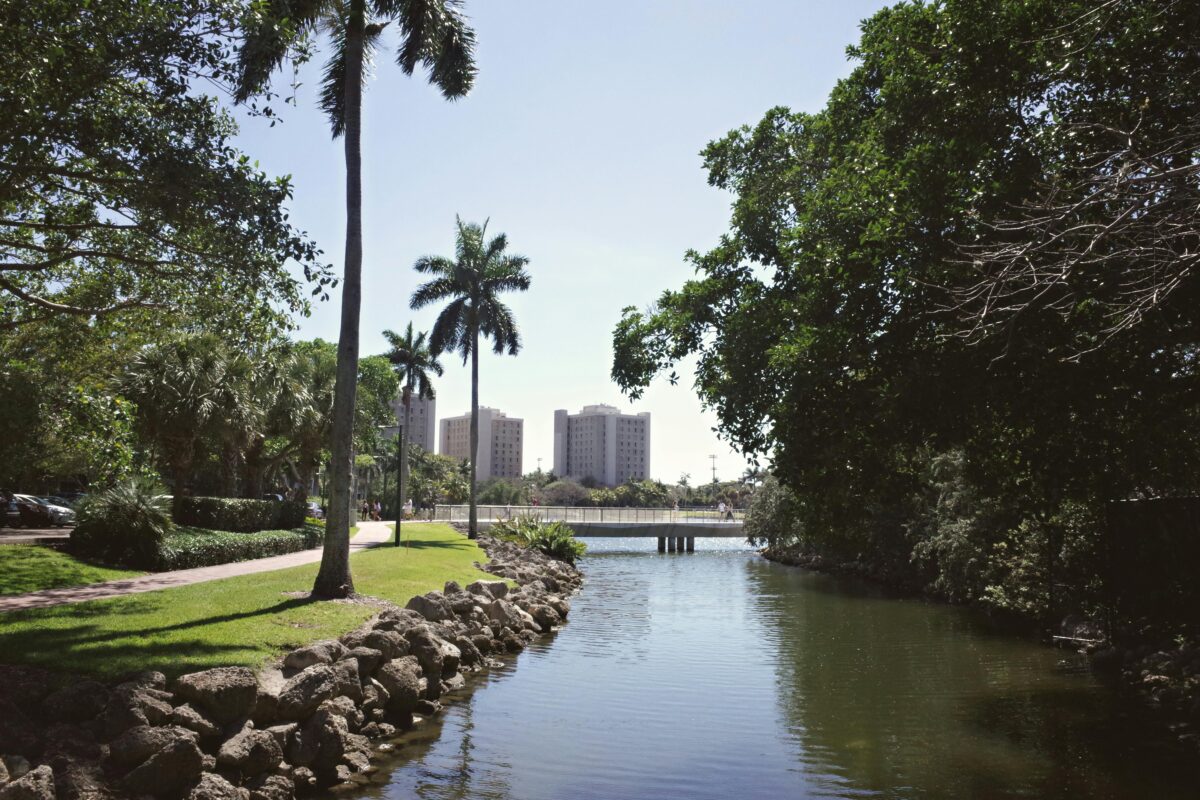
Florida’s sunny beaches and tax-friendly policies make it a popular choice, but living on $50k requires smart budgeting. Let’s break down housing, expenses, and lifestyle tips to help you thrive.
1. Housing Costs: Rent vs. Buy
Housing is Florida’s biggest expense. Here’s what you’ll face:
Renting
- Average rent: $1,291/month for a one-bedroom (2024), rising to $1,350 in 2025.
- Low-cost areas: Winter Haven, Gainesville, or Jacksonville offer rents closer to $950/month.
- High-cost cities: Miami, Tampa, or Orlando average $1,600–$2,000/month.
Buying a Home
- Median home price: $420,000 (2024), with modest price drops expected in 2025.
- Mortgage payments: A $350k home with a 20% down payment and 6% interest could cost ~$1,800/month. Don’t forget additional costs like property taxes, insurance, and garage door maintenance or upgrades.
Key Takeaway: Renting in affordable cities or splitting costs with roommates is your best bet on $50k.
2. Monthly Expenses Beyond Housing
After housing, here’s how your remaining income might look:
| Expense | Monthly Cost | Details |
|---|---|---|
| Utilities | $250–$350 | Water, gas, electricity, and internet. |
| Groceries | $250–$400 | Florida households spend slightly above the national average. |
| Transportation | $50–$150 | Gas, insurance, or public transit (cheaper in walkable cities). |
| Healthcare | $621/month | Silver plan premiums (7% higher in 2025). |
| Entertainment | $200–$300 | Beach trips, dining, or streaming services. |
Total estimated monthly expenses: $1,500–$2,000 (excluding housing).
3. Can You Afford $50k?
Let’s crunch the numbers:
- Take-home pay: ~$3,570/month after taxes.
- Housing: $950–$1,600/month.
- Remaining income: $1,970–$2,620/month for utilities, groceries, and savings.
Yes, you can afford it if you:
- Choose low-cost housing (e.g., Winter Haven or Gainesville).
- Avoid debt (no car loans, credit cards, or student loans).
- Prioritize needs over wants (skip dining out, use public transit).
But watch out for:
- Childcare costs: Daycare averages $1,000/month.
- Unexpected expenses: Car repairs, medical bills, or hurricane prep can add up quickly, along with emergency home needs like 24-hour residential locksmith services if you’re locked out or need urgent lock repairs.
4. Lifestyle Adjustments for Success
Living on $50k in Florida requires flexibility:
Save Money on Housing
- Roommates: Split a $1,200/month apartment to pay $600 each.
- Suburbs: Cities like Lakeland or Ocala offer lower rents than coastal areas.
Cut Other Costs
- Groceries: Buy in bulk, use coupons, and cook at home.
- Transportation: Use public transit or a fuel-efficient car.
- Entertainment: Free beaches, parks, and community events.
Build an Emergency Fund
Aim for 3–6 months of savings to cover emergencies. Even $100/month adds up.
5. Is Florida Right for You?
Florida’s pros and cons:
Pros
✅ No state income tax (keep more of your $50k).
✅ Affordable healthcare: Premiums are 4% below the national average.
✅ Job growth: Cities like Tampa and Orlando have strong economies.
Cons
❌ High housing costs in popular cities.
❌ Hurricane risks: Insurance premiums are steep.
Final Verdict
Yes, you can live comfortably on $50k in Florida if you:
- Pick affordable housing.
- Budget carefully (use the 50/30/20 rule: 50% needs, 30% wants, 20% savings).
- Avoid debt and build a safety net.
Florida’s sunshine and opportunities make it worth the effort—just plan smartly! 🌴